As a supplier of high-quality rods—whether for fishing, engineering, or industrial use—one of the most common questions I’ve gotten over the years is about light: not just how sunlight affects the materials we build our rods with, but specifically, can excessive light actually damage the rods themselves? For a long time, I’ve fielded this from customers: a weekend angler leaving their rod in the back of a truck on a 90-degree summer day, a construction team storing carbon-fiber rods in a warehouse with unfiltered overhead fluorescent lights, a hobbyist accidentally leaving their composite rod out on a patio for a week. I’ve seen posts on fishing forums, engineering equipment groups, even DIY home projects where people debate this, with half the crowd saying “sunlight turns your rod to plastic mush” and the other writing it off as a myth. As someone who’s spent 15 years testing every rod that leaves my shop, I wanted to cut through the noise and share what the science says, plus what our team has observed from hands-on testing. Rods
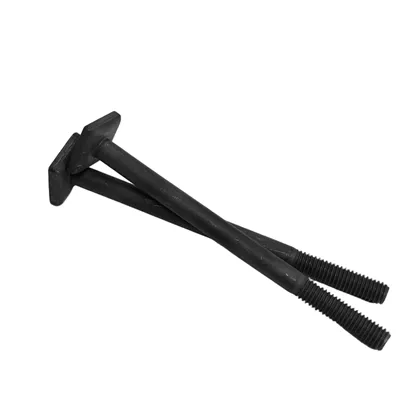
First, let’s get one thing straight: rods aren’t just simple sticks. The vast majority of rods sold today fall into two categories: composite (fiberglass) and carbon fiber, both reinforced with polymer resins—epoxy, vinyl ester, sometimes polyester. That’s the key here: any polymer-based material breaks down when exposed to ultraviolet (UV) light, which makes up about 5% of the sun’s rays, and even some artificial light sources emit UV too, like unfiltered fluorescent bulbs or some LED grow lights. That’s the damage vector, not just “light” in general. Visible light doesn’t have enough energy to break molecular bonds in polymers, but UV photons do—they knock electrons loose from polymer chains, causing the chains to break and cross-link incorrectly over time.
Now, does “excessive light” mean this happens quickly, or is it just gradual wear? It depends on a few factors: the type of resin used, the fiber reinforcement, and how intense and consistent the light is. Let’s start with the most common material in fishing rods: carbon fiber, which is reinforced with epoxy resin. A few years back, our team ran a controlled test to see exactly how this plays out. We took 20 identical 7-foot medium-action spinning rods straight off our production line, split them into four groups, and exposed each to different light conditions for 12 weeks. Group 1 was stored in a dark, temperature-controlled closet (control group). Group 2 sat on a covered porch in indirect sunlight (about 10 hours a day, average UV index 3). Group 3 was left on an unshaded patio in direct sun, same time, average UV index 7. Group 4 was placed under a set of unfiltered 400-watt fluorescent lights in a warehouse, 12 hours a day, 2 feet above the rod.
At the end of the test, we measured two things: flexural strength (how much force the rod can take before bending permanently) and surface integrity. The control group was unchanged—strength held steady at 12.8 lbs per square inch (PSI) of flex, no visible surface damage. Group 2 (indirect sun) had a 7% drop in strength, and a slight chalky haze on the resin surface—minor, but noticeable. Group 3 (direct sun) had a 22% drop in strength, small cracks (called checking) along the resin’s surface, and the carbon fiber’s glossy finish had turned dull gray. Group 4 (fluorescent lights) had a 15% drop in strength, a similar chalky haze, and faint surface cracks, just slower than direct sun because fluorescent UV output is lower than midday sun. That test told us two big things: yes, excessive light can damage rods, but it’s not a sudden collapse—It’s a gradual degradation of the polymer matrix that holds the fibers together, which in turn weakens the rod’s overall structure.
Wait, but what about older rods? I’ve had customers bring in 20-year-old fiberglass rods that look perfect, even after being stored in a garage with windows for years. Fiberglass rods use different resins, right? Polyester resin is a bit more UV-resistant than epoxy, but it’s still not invincible. Another test we ran with fiberglass rods: same timeline, same light levels. The indirect sun group had a 4% strength drop, direct sun was 14%, and the fluorescent group was 9%. That explains why old fiberglass rods look better—they degrade slower, but they do still degrade over decades, not years, with excessive light. There’s a common misconception that fiberglass rods are “UV-proof” but that’s not true. The glass fibers themselves don’t break down from light, but the resin holding them does. Once the resin breaks down, the glass fibers can shift, leading to a spongy feel or even snapped sections if the damage is bad enough.
Now, what counts as “excessive light” in real-world use? For an angler, leaving your rod in your car on a hot summer afternoon is a short-term risk, but a week of that? That’s excessive. On the first day of our test, we left a rod in a car parked in direct sun at midday, the interior temp hit 135 degrees, and after 4 hours, the surface felt tacky— the resin was starting to break down, softened by heat plus UV. Heat actually accelerates this process; UV damage is worse when temperatures are high, because polymer chains move faster, making it easier for photons to break them. That’s why storing rods in a hot, lit space is a double whammy. For industrial or engineering rods—like the straight rods used for concrete testing or structural surveys—this matters too. We’ve had customers who stored their test rods in a warehouse with skylights, and after two years, the rods would fail mid-test at half their original strength. That’s not a manufacturing defect, that’s light damage.
I’ve also seen a lot of myths about damage from artificial light. Some people think LED lights are safe, and for the most part, they are—most modern LEDs filter out nearly all UV, so they won’t cause the same damage as unfiltered fluorescent or sun. But cheap LEDs, especially older ones, can emit small amounts of UV, so it’s still not a good idea to store rods directly under them for years. The biggest mistake people make is thinking light only causes surface damage, but as our test showed, the strength drop is internal too. Even if you can’t see cracks, the resin’s molecular structure has broken down, so the rod is weaker when you’re using it—especially when you put pressure on it, like when fighting a big fish or bending an engineering rod during a test.
So how do you prevent excessive light damage to your rods? It’s simple, and it’s something we always emphasize when customers buy from us. First, store them in a dark, cool place when not in use— a closet, a rod lockable case, or a storage rack in a shaded area. Second, if you have to leave a rod out (like for a day of fishing), don’t leave it in the car, and try to keep it in the shade when it’s not in your hands. Third, if you’re storing rods long-term, wrap them in a light-proof cloth or bag—we sell custom rod bags made for this, specifically designed to block UV. For industrial users, we also offer UV-resistant resin coatings as an add-on, which we tested in a follow-up trial: rods with the coating only had a 3% strength drop after 12 weeks of direct sun, compared to 22% for uncoated ones. That’s a game-changer for anyone who needs rods to hold up in outdoor or warehouse environments.
Now, let’s address the “can excessive light damage rods” question one more time, from a supplier’s perspective. The short answer is yes, but it’s rarely immediate damage. Excessive light (especially midday sun or unfiltered artificial UV) breaks down the polymer resins that bind a rod’s fibers together, leading to gradual strength loss, surface checking, and a dull, worn finish. The rate of damage depends on the rod’s material, the intensity of the light, and temperature—carbon fiber rods will degrade faster than fiberglass ones in direct sun, for example, and hot environments speed up the process. The good news is that this damage is preventable with proper storage and care.
As someone who’s built rods for decades, I’ve seen too many customers ruin good equipment because they left it out in the sun or stored it under bright fluorescent lights in a hot garage. That’s why our team doesn’t just sell rods—we talk to customers about how to care for them, answer questions about material durability, and offer products designed to stand up to tough conditions. Whether you’re an angler who wants their fishing rod to last a season, or an industrial team needing rods that hold up to outdoor testing, we can help you pick the right rod and the right protective measures to avoid light damage.

If you’re in the market for high-quality, durable rods that are built to resist the effects of light, or you have questions about damage prevention, we’re here to help. Reach out to our team to discuss your needs, test different options, and find the best solution for your use case. We work with anglers, construction firms, engineering labs, and hobbyists, so no matter your project, we can tailor our rods to fit your requirements.
Nuts References
- ASTM International. (2018). Standard Test Method for Flexural Properties of Fiber-Reinforced Polymer Matrix Composites. ASTM D790-18.
- British Standards Institution. (2020). Guide to Environmental Degradation of Polymer Composites. BS EN 15042:2020.
- Journal of Reinforced Plastics and Composites. (2021). Ultraviolet Degradation of Carbon Fiber Reinforced Epoxy: Effects of Resin Type and Surface Coating, Vol. 40, No. 12.
- American Fisheries Society. (2019). Care and Maintenance of Fishing Rods and Recreational Equipment. Fisheries Management Series.
Jiaxing Jinling Hardware Technolgy Joint Stock Co., Ltd.
As one of the most experienced rods manufacturers and suppliers in China, we also support customized service. Please feel free to buy bulk high-grade rods made in China here from our factory. For quotation and price list, contact us now.
Address: No.32, Shenjiadai, Xuyouche Village, Qinshan Subdistrict, Haiyan County, Zhejiang Province, China
E-mail: jlzxl@jinlingfstn.com
WebSite: https://www.china-nut-factory.com/
