Hey there, if you’re a custom woven patches and labels supplier like me, you know how easy it is to get caught up in the creative side—matching a brand’s exact logo, picking the right thread shades, nailing that tight weave so the design doesn’t fray. But when we’re working with clients to sell these patches, there’s a whole pile of legal stuff that’s way less fun than picking thread colors, and it can sink a project fast if you skip it. I’ve made a few missteps here over the years, so let me walk you through the big ones I’ve learned the hard way, no boring legalese—just real stuff that matters for suppliers like us. Woven Patch/label

First up, trademark infringements. This is the one that comes at you out of nowhere if you’re not careful. Let’s say a client comes in and wants patches for their small skate shop logo, which is a little sparrow with a skateboard. That’s one thing, but what if they slide in a design that’s the exact Nike swoosh and “Just Do It” slogan? Or even a knockoff of a popular indie band’s logo that’s super recognizable? I used to not ask for proof of trademark ownership from clients for a long time, and once we got a cease-and-desist letter from a sports apparel brand because a client had us making patches with their trademarked mascot. Turns out the client was a random guy selling them at a flea market, not an authorized retailer. We had to stop production immediately, refund the client, and even though we weren’t ordered to pay damages, it scared the crap out of me. Now, I always make clients sign a quick form that says they own the design or have written permission to use it, and I keep a copy of that on file. It’s a tiny step but it saves so much headache. Also, even if a trademark looks “old” or “not big,” that doesn’t mean it’s unprotected. Small local shops, musicians, even online creators all hold trademarks, and they enforce them. As suppliers, we can’t just assume a design is fair game—if it looks like something famous, we need to push for proof before we cut a single thread.
Next, copyright laws and original designs. Wait, how is that different from trademarks? Trademarks are about things that identify a brand, copyright is about creative works like art, illustrations, even written text. Let’s say a client makes a custom patch with an original drawing they did of their dog—but if they copy a drawing from Pinterest, Etsy, or another patch supplier without permission, that’s copyright infringement, and we’re on the hook too. I’ve had clients try to pass off copyrighted art as their own, and when I’ve dug into it, it’s obvious. For example, a guy wanted patches of a cartoon fox that looked exactly like a popular character from a kids’ movie. When I asked for proof he had the right to use it, he admitted he found it on a fan art page and just assumed it was okay. I turned down the order, and later I heard another supplier took it and got a copyright strike that forced them to take all their social media posts down. It’s not just big companies either—independent artists upload their work to sites like Instagram or DeviantArt, and they own the copyright unless they give it away. Some will let you use their art for a small fee, but you have to ask, not just copy it. Also, as suppliers, if we create a custom patch design for a client, who owns the copyright? That’s another thing to clarify. I always add a line in my order terms that if the client commissions a original design from me, they own the final product, but I keep the right to use it in my portfolio (as long as I remove any brand identifiers, obviously). That way, I don’t accidentally claim something a client paid for as my own, and they don’t have to worry about running into problems later.
Then there’s counterfeit and false advertising stuff. Wait, can we as patch suppliers get in trouble for counterfeiting? Yeah, definitely. If you make patches that look like a real brand’s official merchandise, even if the client pays you to do it, you’re part of the counterfeit. A few years back, a client asked me for 1000 patches that were identical to a popular outdoor brand’s “Explorer” patches. I knew right away that brand only sells those through their official website and retail stores, so I turned him down. Later, I heard from another supplier who took the order and got hit with a lawsuit that cost them thousands. Counterfeiting isn’t just a moral issue—it’s illegal in almost every country, and the penalties can be way worse than just losing a client. Also, false advertising applies if you make claims about your patches that aren’t true, and you have to stand by them. Like, if you advertise your woven labels as “100% polyester that won’t shrink” but they do shrink when the client washes them, that’s a problem if the client sues. So I’m careful about what I promise—instead of saying “never shrinks,” I say “shrink-resistant” based on our testing, and I only use materials I know hold up. It’s a small difference, but it keeps you from running into legal issues down the line.
What about content restrictions and legal obligations in different regions? A lot of my clients sell their products in different countries, like the US, EU, and Canada, and each has different rules about what you can put on a patch or label. For example, in the US, you can’t make patches with hate speech, slurs, or content that promotes illegal activity, and the same goes for the EU, plus they have stricter rules about offensive content. Last year, a client from Germany wanted patches with a logo that had a phrase that’s legal in the US but is a hate symbol in Germany. I had to turn that order down, which was awkward, but if I’d made them, I could’ve faced fines in Germany. Also, some countries have rules about label content for clothing—like if a label is sewn onto a garment, it needs to include care instructions, country of origin, and material composition. A lot of small clients don’t know that, so if I’m making woven labels for them, I make sure to remind them of those requirements before I ship. It’s not just about the patch design; it’s about what the label says, too. If a client’s labels don’t meet the local laws for where they’re selling their products, that’s a legal issue for both of us. So I always ask where the product will be sold before I start making labels, so I can give them a heads up on what they need to include.
Then there’s data privacy and contract stuff, which is easy to overlook but super important. When a client sends me a custom design, often they upload files via email or a order form, and sometimes those files have personal information or data that’s protected. For example, if a client is a big brand, they might send me files with their trademark details that are confidential. I make sure to not share any of that data with third parties, and I have a simple privacy note on my website that says I only use client data for order purposes. Also, contracts! I used to just take orders over email, but that’s a mistake. Now I use a simple order agreement that spells out what I’m responsible for (making the patches on time, matching the design as closely as possible) and what the client is responsible for (providing correct design files, owning the rights to the design, paying on time). It’s not a fancy legal document, but it clarifies things, and if there’s a dispute, it’s way easier to sort out. A few months back, a client tried to say I missed a design detail, but my order form clearly said I’d follow the files they sent, and they admitted they changed the file last minute. The agreement saved me from a refund request.
Wait, what about international orders? If you’re selling patches to clients outside your own country, there are import/export laws too. I send a lot of orders to Canada and the UK, and each has rules about what you can import. For example, some countries have restrictions on patches with certain types of fabric or threads, or they charge customs duties that I have to mention to the client before we proceed. Also, if you’re selling to a client in a country with high import taxes, you have to make sure to declare the value of the patches correctly so the client doesn’t get hit with unexpected fees. I always include a note about that in my quotes, so there’s no confusion. I once had a client in Australia get mad because the customs duty was higher than they expected, and I learned my lesson to be upfront about that instead of letting it be a surprise.
Let me talk about a specific mistake I made early on, to make this real. Back when I first started my patch business, I had a client who wanted patches for a local minor league baseball team. They showed me their official logo, which they said they owned. I made 500 patches, and when I was almost done, the team’s official merchandise company reached out to me. Turns out the client was a guy who was selling fake patches out of his garage, and he didn’t have permission to use the logo. I had to recall all the patches (I’d already shipped half), refund the client, and even though the merchandise company didn’t sue me, it cost me time and money. That’s when I started requiring written proof of trademark ownership—even for small clients. It’s a hassle in the moment, but it’s way better than losing your business over a mistake.
Another thing: ethical labor laws. Wait, that’s legal too, right? As a supplier, you have to follow labor laws where you’re making the patches—minimum wage, safe working conditions, not using child labor. A lot of small suppliers cut corners here, but it can destroy your reputation and lead to fines. I work with a small weaving studio in my home country, and we have regular checks to make sure everything is up to code. Some clients ask about it now, especially bigger brands that want to advertise that their products are made ethically, and it’s a big selling point. It’s not just a nice thing to do—it’s a legal requirement in many places, especially if you’re selling to brands that have their own ethical standards.
So what can you do as a patch supplier to avoid these issues? Let’s sum up the small, actionable steps I take every day: 1. Always get proof of trademark or copyright ownership from clients before starting an order. I keep it simple—just a signed statement that says they have the right to use the design, plus a copy of any official paperwork (like a trademark registration) if it’s a big brand. 2. Have clear order terms that cover who owns the design, what you’re responsible for, and what the client is responsible for. You don’t need a lawyer to draw this up—just make it specific, no vague language. 3. Research the laws in the countries where your clients are selling their products, especially for labels. If a client is selling in the EU, make sure their labels have all the required info, like material content. 4. Double-check any design that looks like it’s from a well-known brand or artist. If you’re not sure if it’s copyrighted or trademarked, ask the client for proof, or just turn it down if they can’t provide it. 5. For international orders, be upfront about import duties and customs rules. Don’t hide fees from clients, because that leads to bad blood and even disputes.
At the end of the day, selling custom woven patches and labels is about being creative and working with people to make something they love. But the legal stuff isn’t a buzzkill—it’s a way to protect both you and your clients. I’ve seen too many small patch suppliers lose their businesses because they skipped the trademark checks or took a counterfeit order. By taking a few simple steps, you can keep your business running smoothly, make happy clients, and avoid the stress of legal trouble.
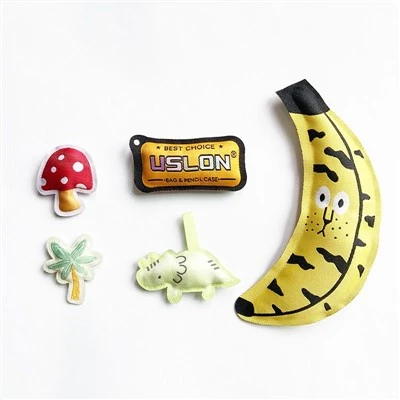
If you’re a brand, small business, or individual looking to make custom woven patches or labels, I’m here to help. We work with clients of all sizes, and we make sure every order is done right, with all the legal boxes checked. Whether you need patches for your clothing line, labels for your products, or custom designs for an event, feel free to reach out to discuss your project.
PVC Patch References:
- United States Patent and Trademark Office. Trademark Infringement Basics.
- World Intellectual Property Organization. Copyright Law for Creative Industries.
- European Commission. Textile Labeling and Care Requirements.
- U.S. Customs and Border Protection. Counterfeit Goods Enforcement Guidelines.
- Fair Labor Association. Code of Conduct for Garment and Textile Factories.
Yiwu Lanying Garment Accessories Co., Ltd.
As one of the most professional woven patch/label manufacturers and suppliers in China, we’re featured by quality products and good service. Please rest assured to wholesale premium woven patch/label at competitive price from our factory. Customized orders are welcome.
Address: F1,NO.448, Majiaotang Village, Houzhai Street, Yiwu City, Zhejiang Province, China 322000
E-mail: zhangchunyingzi@126.com
WebSite: https://www.embroideredpatchfactory.com/
