If you’re in the metal fabrication game, you’ve probably wondered how long your cold roll forming machine will stick around. Let’s keep it real—we’ve heard it all: some operators brag about a 20-year workhorse, others curse a machine that died halfway through its first big job. As a cold roll forming machine supplier, I’ve spent thousands of hours walking shops through their floor, talking mechanics, doing post-install checkups, and troubleshooting breakdowns. So I’m gonna break this down straight—no jargon, no sales fluff, just what actually determines your machine’s lifespan. Cold Roll Forming Machine
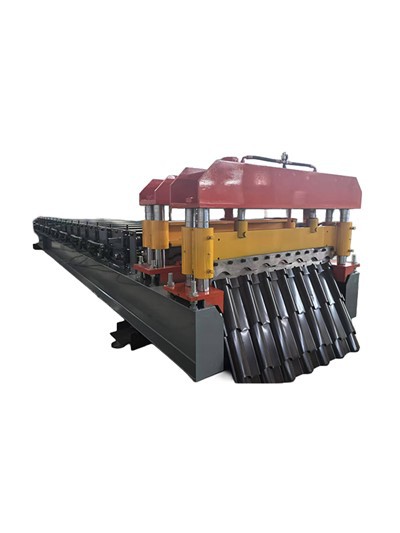
First off, let’s get one thing clear: a cold roll forming machine isn’t a toaster. It’s a whole system of motors, rollers, shafts, bearings, and controls, all working in sync to bend metal into the exact profile you need. Its lifespan isn’t just some random number—it’s a mix of how you use it, how you maintain it, and what it’s even making. I’ve seen two identical machines off the same production line: one cranks out 12 hours a day of the same steel stud for a contract, and it’s still running smooth at 12 years. The other one got beat to hell running custom window frames 18 hours a day, switching materials from 16ga steel to aluminum to copper like it’s nothing, and it started needing major repairs at 7 years. That’s the biggest variable right there—usage.
Let’s dive into usage specifics. If you’re running your machine 24/7, that’s 3 shifts a day, 6 days a week, you’re gonna wear parts way faster than someone who runs it 8 hours a day, 5 days a week. The core components—like the main drive motor, the roll stands, and the linear bearings—take constant stress. Every time you start the machine, that’s a jolt on the motor; every time you bend thick metal (say, 12ga steel instead of 20ga), that’s extra pressure on the rollers and shafts. I had a client last year who was running his machine on 14ga for fence posts, and he kept cranking the speed up to 120 feet per minute way over the rated 80. The bearings burned out in 3 years—total avoidable. On the flip side, a shop that sticks to the rated capacity, runs at or below max speed, and only uses it for its intended profile? That machine’s gonna outlast most of its other equipment.
Then there’s maintenance. This is the make-or-break factor, hands down. I’ve seen a machine that was 18 years old still running better than a 8-year-old one because the owner didn’t skip a single lubrication check, replaced worn rollers before they damaged shafts, and kept the control panel dust-free. The guys who never grease the bearings? They’ll call us in 6 months saying the machine is making weird noises, and half the time it’s because the ball bearings on the roll stands seized up from lack of oil. And don’t get me started on the control systems—those are the brains of the operation. If you let dust and metal shavings build up inside the PLC, you’re gonna get random errors that can mess up a whole production run, or even damage the motors. I always tell clients: do a 10-minute check every shift—wipe down the rollers, listen for odd noises, check the lubrication level. Do a full deep clean and part inspection every 3 months. It’s not hard, and it adds years to your machine.
Wait, what about the build quality? Yeah, that matters. Not all cold roll forming machines are created equal. I’ve seen cheap imports that use thin steel for the roll stands, cheap bearings that rust after a year, and motors that can’t handle consistent heavy use. Those machines might look similar upfront, but their lifespan is often 5-7 years, max. The machines we supply are built with thicker, precision-ground steel roll stands, sealed bearings that don’t need frequent re-greasing, and industrial-grade motors that are rated for continuous heavy use. I’ve had a client get his machine from us 13 years ago, and he just replaced a few worn rollers and a control board last month. That’s the difference between a good build and a cheap one. But even a top-tier machine will die young if you abuse it. I’ve had a client with our own machine who ran it 20 hours a day, switching materials constantly, and it was shot at 10 years. So build quality gives you a baseline, but usage and maintenance move that number up or down.
Let’s talk about wear parts, too. All machines have parts that aren’t meant to last the entire lifespan of the machine—these are consumables: roll dies, bearings, blade cutters, guides. If you replace them when they start to show wear (like if a roller has a small nick, or a cutter blade is dull), you can extend the machine’s life a ton. But if you keep running with a worn roller, that nick will scratch your metal profiles, and the extra stress will wear down the shafts it’s mounted on. Replacing a $50 roller is way cheaper than replacing a $500 shaft. I see this mistake all the time—shop owners try to stretch the life of a consumable, and end up paying way more in repairs later.
What about the end of life? When does a cold roll forming machine actually stop being useful? It’s not always when the motor dies. Sometimes it’s when the profile you need changes, and the machine can’t be modified. Old control systems might not work with modern automation, so you have to upgrade the PLC or the whole controls, which can be half the cost of a new machine. Or the frame might get warped from years of heavy use, so the profiles don’t come out straight anymore. For a good machine, that end of life is usually after 15-20 years, if you take care of it. A poorly maintained, cheap machine? It might be done at 5-8 years.
Wait, I should mention some real examples to back this up. Last year, I was at a job site for a commercial framing company. They had two cold roll forming machines: one was our model, installed in 2010, running 2 shifts a day for metal studs. It had just had its 10-year service check, replaced a couple of bearings, and was still running at 95% efficiency. The other machine was a different brand, installed the same year, same use. They were replacing the whole machine because the roll stands were warped, the control board kept crashing, and parts for it were impossible to find. That’s the gap right there. Another example: a small custom metal shop down in Texas. They’ve had our machine since 2015, running 8 hours a day making custom gutter and downspout parts. They’ve only replaced the cutter blades twice, and did a full maintenance check every 3 months. They told us they expect it to last them at least 25 years. Now, that’s extreme, but it’s totally doable if you’re intentional.
Let’s get back to what you can actually do to make your machine last longer, because that’s what you care about, right? First, stick to the manufacturer’s specs (that’s us, when you buy from us). Don’t run thicker metal than the machine is rated for, don’t crank the speed way over what it says, don’t switch material types every 10 minutes unless you have a machine that’s built for that (we do offer variable speed and multi-material setups, by the way). Second, make maintenance non-negotiable. Keep a log—write down when you lubricated the bearings, when you replaced rollers, when you did a control panel clean. It takes 2 minutes a day, and if something goes wrong, you can look back to see when the last check was. Third, replace worn parts early. Don’t wait for a small nick to turn into a big problem. We stock all the consumables for our machines, so you can order replacement rollers, blades, bearings anytime without waiting weeks. Fourth, store extra parts properly—don’t leave them out in the damp shop, oil them a little so they don’t rust before you use them.
I know a lot of shop owners are tempted to go for the cheapest machine upfront, but that’s a false economy. Yeah, a cheap machine might cost $10k less, but if it dies in 5 years, you’re spending more on a new machine in the long run. A quality machine from a reputable supplier might cost $20k more, but if it lasts 15-20 years, that’s way more value. I’ve had clients tell me they saved money buying cheap machines, but 3 of them have already had to replace two machines in 10 years. The ones who bought our machines? Most of them have had one machine for 12+ years, only replacing when they needed a bigger capacity or new profiles.
Wait, what about modern upgrades? A lot of people think their old machine is useless once it’s 10 years old, but that’s not true. You can upgrade the control system, add automation (like servo cutters or profile change systems), even replace worn roll stands. We do retrofits all the time—last year we upgraded a 12-year-old machine for a client who needed to make a new solar panel frame. Instead of buying a whole new machine, they spent $8k on a retrofit, and now their old machine is better than it was when it was new. That’s a way to extend its lifespan without breaking the bank.
At the end of the day, a cold roll forming machine’s lifespan is what you make of it. If you treat it like a workhorse that needs care, it’ll stick around for 15-20 years, sometimes even longer. If you abuse it, skip maintenance, and go cheap on parts, it’ll be a paperweight in a handful of years. As a supplier, we don’t just sell you a machine—we give you the support to keep it running for as long as possible. We offer maintenance checkups, stock all the parts you need, and can help with retrofits when you need to change up your profiles.

If you’re in the market for a cold roll forming machine, or you have an old machine you’re trying to keep running, let’s chat. We can walk you through what size and build would fit your needs, talk about maintenance routines that’ll keep your machine going, and answer any questions you have about lifespan. Don’t wait until your current machine breaks down mid-job—let’s make sure you have a setup that works for you, for years to come.
Crf Machine References:
- Metal Forming Magazine, "Lifecycle Analysis of Cold Roll Forming Equipment", 2022
- Fabricators & Manufacturers Association, "Best Practices for Cold Roll Forming Machine Maintenance", 2021
- International Association of Metal Forming, "Benchmarks for Cold Roll Forming Equipment Durability", 2023
- Our own internal service data, compiled from 2010-2024 machine installations and service calls
Wuxi Yuanding Machinery Manufacturing Co., Ltd.
Address: Yaguang Industrial Park, No. 88 Chaoyang South Road, Xishan District, Wuxi City, Jiangsu Province
E-mail: 13861798466@163.com
WebSite: https://www.wxyuanding.com/
