If you’re a pumping parent (or someone who’s just invested in a solid electric breast pump) the motor’s the unsung hero of your whole setup, right? It’s the part that keeps the suction consistent, saves you from hand-cramp from manual pumps, and makes those 20-minute pumping sessions way less of a chore. As someone who’s been on this side of the industry for years—working directly with pumping parents and fine-tuning our own pumps to last longer—I’ve seen so many people overlook the motor until it’s too late: a sudden drop in suction, weird noises, or even it conking out mid-session when you’re already juggling a fussy baby. Breast Pump
I’m not here to sell you a new pump every three months, either. Maintaining the motor’s way simpler than you think, and most issues are totally avoidable with small, consistent habits. Let’s break this down like I would chat with a friend over coffee, no jargon, no confusing step-by-step that makes you roll your eyes.
First off, let’s get one thing straight: the motor is not meant to get wet. I see this mistake all the time—parents take the whole pump apart to wipe it down, or even spray cleaning solution directly on the motor housing. That’s a quick way to fry the internal wires or corrode the small parts inside. The motor’s usually a sealed unit for a reason, right? Its job is to generate air flow, not touch milk, moisture, or any cleaning chemicals. So when you’re cleaning the pump, stick to the parts that actually come into contact with milk: the flanges, valves, tubing (wait, yes, even the tubing—more on that later), and the small connector pieces that link the tubing to the motor. The only time moisture should even be near the motor is if it’s tiny, like a spill on the outside of the housing. Wipe that right away with a dry cloth, no need for anything fancy.
Next up, air flow is everything for the motor. Think of it like your laptop or car engine—if it can’t breathe, it overheats and burns out fast. I’ve had customers tell me their motor died after just a month because they stored it in a tote bag right after pumping, with all the parts crammed in and no room for air to circulate. Even when you’re using it, don’t block the air vents on the motor housing. Those little slits on the side or back? They’re there to keep the motor cool. If you set your pump on a soft surface like a couch cushion or your bed, those vents get covered, and the motor’s working twice as hard to push air without cooling down. That’s a surefire way to shorten its lifespan. Pro tip: keep the pump on a hard, flat surface, and if you’re storing it, leave the motor housing open (wait, not the inner parts, just the outer case if it has one) for an hour after cleaning to let it air out completely. No closed, damp storage here.
Now, let’s talk about tubing—this connects the flange to the motor, and even though it’s not the motor itself, what you do with the tubing directly affects the motor’s health. Here’s a common misconception: some people think if the tubing’s clear, it’s clean, so they can skip emptying the condensate that builds up inside. That’s a huge no. Condensation from pumping sessions (especially if you’re using a closed-system pump, like most good ones now) is water that’s trapped in the tubing. Leave that in there, and eventually, it will get sucked back into the motor. Over time, that moisture will corrode the motor’s internal parts, cause mold (gross, I know), and make the motor work way harder than it should. How do you fix this? After every pumping session, disconnect the tubing from both the flange and the motor, hang it upside down to drain any leftover moisture, and leave it to air dry for at least 15 minutes. I know, it’s one more step, but it takes 30 seconds, and saves you from a dead motor down the line. Also, never stretch the tubing or yank it off too hard—those plastic connectors where it attaches to the motor can loosen, which lets air leak in. A loose connection means the motor has to work harder to maintain suction, which wears it out faster.
Another big one: don’t over-tighten or overuse accessories. I see this all the time—parents buy those extra large flanges or third-party parts that aren’t compatible with their pump, and they keep swapping them out, putting extra stress on the motor. Our pumps are engineered to work with specific parts for a reason. Third-party adapters might let you use random parts, but they can restrict air flow or make the motor run at a higher wattage than it’s designed for. Even things like carrying the pump around with the tubing still attached to the motor can cause tiny misalignments inside the housing that affect the motor’s balance. If you’re traveling, disconnect the tubing and pack the motor separately, just like you would with a laptop.
Wait, what about noise? A lot of people think weird noises from the motor are normal, especially if their pump is older. Nope. A soft whir is fine, but if it’s grinding, rattling, or making a high-pitched squeal, that’s your motor telling you something’s off. Most of the time, that’s not a broken part—it’s just dust or lint built up around the motor’s internal fan over time. You can clean that easily with a small, soft brush (like an old toothbrush, make sure it’s totally dry!) to gently sweep away any debris from the air vents. Don’t take the motor apart though—unless you’re comfortable with tiny electronics and you don’t mind voiding any warranty, leave that to the professionals. A quick brush and a dry cloth around the vents is enough. If the noise persists, it’s a good idea to reach out to someone who knows pumps (hey, that’s us!) before it turns into a full breakdown.
Warranty stuff is another thing I don’t want you to sleep on. A lot of new parents don’t check their pump’s warranty until something goes wrong, and then they’re stuck paying for a replacement motor out of pocket. Most quality electric breast pumps come with a 1 to 2-year warranty that covers motor defects, but only if you follow the maintenance instructions. That means no modifying the motor, no using unauthorized cleaning products on it, and no ignoring obvious issues like blocked vents. If you register your pump when you first get it, most companies will send you quick reminders about motor care, too. We even send a little care sheet with every pump we sell, specifically for the motor, because we know how easy it is to forget.
Let’s talk about a few common mistakes I see every week, just to make sure you’re not falling for them. First: running the pump for way longer than you need to. I know, some days pumping takes 10 minutes, some days it takes 30, but if you leave the pump running when you’re not even using suction (like when you’re burping the baby between letdowns), that’s extra wear on the motor. Turn it off when it’s not needed—motors are meant to run, but not unnecessarily. Second: using the same motor for multiple pumps? No, that’s not a thing. Each pump’s motor is calibrated to work with its specific parts, so mixing motors from different pumps will cause strain. Third: cleaning the motor with dish soap, hydrogen peroxide, or any harsh chemicals. The motor’s seals are delicate, and harsh cleaners can break down the rubber or plastic, leading to leaks and moisture getting inside. Stick to a mild, baby-safe soap for the other parts, and dry cloth for the motor housing.
Now, I know what you’re thinking: “This sounds like a lot of steps, but is it really worth it?” Let’s put it in perspective. A good electric breast pump motor can last 2 to 5 years if you take care of it, but if you skip these steps, it might die in 6 months. That’s hundreds of dollars you can save by hanging a tubing upside down after pumping, wiping off the motor vents, and not cramming the whole pump into a tote bag. As someone who works with parents every day, I get that you’re busy—you’re up at 2 a.m. feeding a baby, you’ve got laundry piling up, and pumping is just one more thing on your to-do list. These habits are tiny, but they add up to a motor that doesn’t let you down when you need it most.
Wait, one last tip for when you’re traveling or pumping on the go. When you’re using the pump away from home, make sure you have a clean, dry cloth to wipe the motor every few sessions, and empty any tubing condensate as soon as you get back to a sink. Also, avoid using your pump in super hot or cold places—extreme temperatures (like leaving it in a hot car or a cold garage) can damage the motor’s internal parts. If you have to leave it in the car, keep it in a cooler bag or a insulated tote to regulate temperature until you get home.
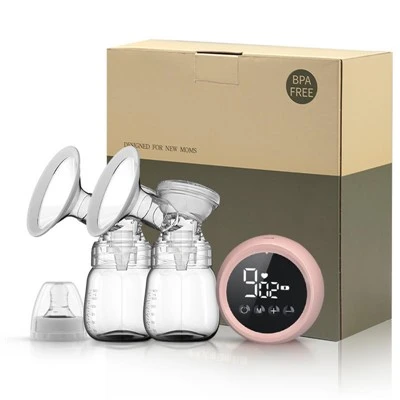
At the end of the day, the motor is the heart of your breast pump, and a little care goes a long way. If you’ve got questions about your specific pump’s motor, or you’re looking for a reliable pump that’s built with easy motor maintenance in mind, don’t hesitate to reach out. We’re here to help, whether you need a quick troubleshooting tip, want to order replacement parts, or just have a question about keeping your pump running smoothly.
Fetal Doppler References:
- American Academy of Pediatrics. (2022). Pumping Safety and Maintenance for Breastfeeding Parents.
- International Lactation Consultant Association. (2023). Care and Troubleshooting of Electric Breast Pump Components.
- Journal of Human Lactation. (2021). Longevity of Electric Breast Pump Motors: Correlation with User Maintenance Habits.
- U.S. Food and Drug Administration. (2020). Guidance on Cleaning and Maintaining Breast Pumps to Prevent Contamination.
Yiwu Trump Medical Products Co., Ltd.
As one of the most professional breast pump manufacturers and suppliers in China, we’re featured by quality products and good service. Please rest assured to wholesale advanced breast pump made in China here from our factory. We also accept customized orders.
Address: Room 428-429, 4th Floor of Comprehensive Building of Hetianxia E-commerce Park, No.16 Pinghu Road, Jiangdong Street, Yiwu City, 322000 Zhejiang Province, China
E-mail: sales01@trumpmedi.com
WebSite: https://www.trumpmedisupply.com/
