When I first started working as a commercial water heater supplier, I thought the biggest impact my products had was on businesses’ utility bills. Over the past 12 years, I’ve sat across from kitchen managers, building engineers, and hotel owners, and one thing has become crystal clear: every unit we sell doesn’t just provide hot water for sinks, showers, and dishwashers—it leaves a footprint on our planet. Today, I want to walk you through the real environmental impacts of commercial water heaters, not the generic marketing fluff, but the on-the-ground effects I’ve seen firsthand, because that’s the stuff that matters when you’re choosing equipment for your business. Commercial Water Heater
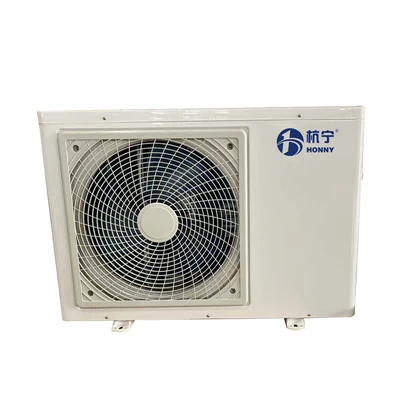
Let’s start with the most obvious culprit: energy use. Commercial water heaters run on fuel—natural gas, electricity, propane, even sometimes oil—and that energy doesn’t magically appear out of thin air. Last year, I helped a 120-room hotel in downtown Chicago replace their 15-year-old electric water heaters with our high-efficiency condensing gas models. Their utility team told me the change cut their annual water heating energy use by 38%. That number stuck with me because it translates to roughly 42 metric tons of carbon dioxide kept out of the atmosphere each year—like taking 9 passenger cars off the road for a full 12 months. Most businesses don’t realize that water heating makes up 18 to 27% of a commercial building’s total energy consumption, according to data from the Department of Energy (DOE). For restaurants, that number jumps to 40% because they’re using hot water nonstop for dish machines, hand washing, and prep sinks. Old, inefficient units don’t just waste money—they burn through way more fossil fuels than they need to, releasing greenhouse gases that drive climate change. The type of fuel a water heater uses changes the impact too. Natural gas units produce less carbon than oil-fired ones, but they still leak methane, a greenhouse gas 28 times more potent than CO₂ over a 100-year period. I had a café client in Denver last year with a leaky old gas water heater that was releasing enough methane annually to equal the emissions from 12 homes. It took a $120 repair to fix, but it also helped them avoid contributing to that more harmful short-term warming.
Next up: water waste. This one’s often overlooked, but I’ve seen it cause headaches for dozens of my clients. A commercial water heater’s job is to heat and store hot water, but if it’s not maintained or sized correctly, it wastes water constantly. Last quarter, a hospital client called us because their waiting room bathrooms were seeing unexpected water spikes. When we checked their old storage tank, we found it had a corroded drain valve that was leaking 12 gallons of water a day—enough to fill a standard bathtub every two days. Multiply that by the 80-room hotel I mentioned earlier, and that’s 4,380 gallons of wasted water a year just from a faulty valve. What’s worse is that this wasted hot water also means wasted energy—you’re heating water you’re just throwing down the drain. Another big issue is standby loss. Even when a water heater isn’t actively heating water, it loses heat to the surrounding air. Old tanks with thin insulation can lose 20 to 30% of their stored hot water temperature over 24 hours. That means a business is burning extra fuel just to keep water warm, only for half of that heat to disappear before anyone uses it. For facilities that rely on demand-type or tankless models, improper sizing creates similar waste. A café that under-rates a tankless water heater might run out of hot water during peak brunch service, forcing them to open a backup unit that uses twice as much energy and water to heat a smaller volume. I’ve seen clients fix this by simply getting their unit sized correctly, and they often cut their water waste by 15% within the first six months.
Then there’s the issue of manufacturing and end-of-life disposal. When a commercial water heater is made, it uses raw materials—steel, copper, aluminum, plastic—and requires energy from production facilities. A standard 50-gallon commercial storage tank uses roughly 80 pounds of steel and 20 pounds of copper, materials that are mined, processed, and shipped, all of which have environmental costs. I recently worked with a school district that replaced 20 old units, and when we took the old ones away for disposal, I learned that less than 30% of the components in an old gas water heater are recyclable, depending on local waste facilities. Steel and copper are often recyclable, but the insulation, gas lines, and plastic parts can’t be, so they end up in landfills. Even worse, old tanks can hold residual gas or chemicals that leach into soil if they’re not disposed of properly. That’s one reason why we offer a take-back program for all the units we sell—we partner with local recyclers to break down old tanks, salvage as much metal and copper as possible, and ensure hazardous materials are disposed of safely. It’s extra work for my team, but it cuts down on landfill waste and keeps harmful substances out of the environment. I also push clients to opt for longer-lasting units, because a water heater that lasts 20 years instead of 10 means half as many units being manufactured and disposed of over time. Our high-efficiency condensing units often come with 12-year tank warranties, and that’s a big selling point for businesses that want to reduce their long-term environmental footprint.
I can’t talk about commercial water heaters without touching on the chemical side, too. Specifically, the antifreeze, corrosion inhibitors, and even the water itself that circulates through these systems. Many commercial water heaters use closed-loop systems with glycol-based antifreeze to prevent freezing in unheated spaces like basements or rooftop units. If these systems aren’t properly sealed or maintained, antifreeze can leak into the local water supply or soil. A mechanic I work with told me about a small office building in Phoenix where a leak in their rooftop water heater’s antifreeze line seeped into the ground nearby, contaminating a small community garden’s irrigation water until it was remediated. Corrosion inhibitors are another concern—they’re added to water to prevent rust in steel tanks, but some of these chemicals can be toxic to aquatic life if they’re released into waterways. That’s why we now recommend using phosphate-free corrosion inhibitors for all our municipal and school clients, and we train every technician we send to a job site on proper system maintenance to prevent leaks. For facilities that discharge water from their water heater systems (like restaurants that dump hot water after cleaning), we also work with clients to install filtration systems that catch these chemicals before they go into the sewer.
Now, here’s the good news: none of these impacts are set in stone. The commercial water heater industry has come a long way in the last decade, and choosing the right unit can drastically reduce a business’s environmental footprint. I mentioned the high-efficiency gas units earlier, but there are other options that work for different spaces. Electric heat pump water heaters, for example, use 50 to 60% less energy than standard electric units because they move heat from the air or ground instead of generating it directly. A gym in Austin I worked with switched to heat pump units two years ago, and their utility costs dropped by 45% annually, while their carbon emissions fell by over 50% because they were paired with the city’s growing wind energy grid. Tankless water heaters, while they have their own sizing considerations, also cut energy use because they only heat water when it’s needed, not 24/7 like storage tanks. For small businesses, even simple upgrades—like programmable thermostats that adjust water temperature during off-hours, or regular flushing to remove sediment that reduces heating efficiency—can add up to big environmental and cost savings. Sediment buildup in water heaters forces units to work harder to heat water, so flushing a tank twice a year can improve efficiency by 10 to 15%, according to the DOE.
The key takeaway from all this, from my years on the job, is that the environmental impact of a commercial water heater isn’t just about the unit itself—it’s about how it’s used, maintained, and replaced. A well-maintained, correctly sized high-efficiency unit can cut emissions and waste more than twice as much as a cheap, old unit. I’ve had clients come to me thinking “water heaters are just water heaters,” only to leave with a unit that saves them thousands of dollars a year on utilities while also shrinking their carbon footprint. For a hotel, that means being able to promote their sustainability efforts to guests; for a restaurant, it means lower operating costs that can go back into hiring staff or improving food quality; for a school, it means using that saved energy budget for classroom supplies instead of utility bills.
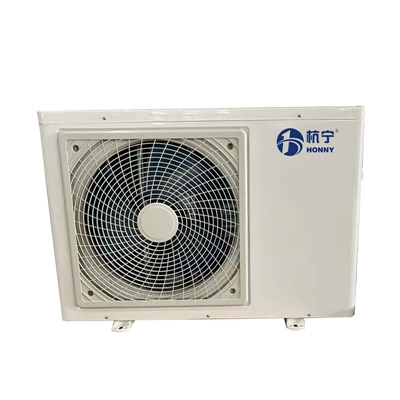
If you’re a business owner, building manager, or facilities director looking to reduce the environmental impact of your commercial water heating system, I’m here to help. I’ve worked with businesses of all sizes—from small cafes to large hospital chains—and I can assess your current system, recommend the right unit for your needs, and help you with maintenance that keeps your footprint low for years to come. Whether you’re replacing an old inefficient unit or installing a new system for a build, a quick chat can help you make a choice that’s good for your bottom line and good for the planet. Don’t hesitate to reach out to start a conversation about your water heater needs.
Ice Bath Machine References
U.S. Department of Energy. (2022). Energy Efficiency and Conservation in Commercial Buildings.
Environmental Protection Agency. (2021). Water Efficiency for Commercial Facilities.
North American Association of Water Utilities. (2023). Greenhouse Gas Emissions from Commercial Water Heating.
American Water Works Association. (2022). End-of-Life Management for Commercial Water Heating Equipment.
Hangzhou Honny Heat Energy Technology Co., Ltd.
We are one of the most experienced commercial water heater manufacturers and suppliers in China. With a professional production team, we are able to meet the needs of the majority of our customers. Please feel free to wholesale customized commercial water heater from our factory. Also, quotation is available.
Address: Dingshan Village, Wenyan Subdistrict, Xiaoshan District, Hangzhou City, Zhejiang Province
E-mail: 524435406@qq.com
WebSite: https://www.hnrnkj.com/
