If you’ve ever spent time curating a kitchen setup—picking out matching mugs that fit your cabinet shelves, sturdy dinner plates that don’t chip after a single drop, or glassware that catches morning light like little prisms—you know how much small, functional details matter. That’s why when I started my kitchen tableware rack supply business, I made it a point to stock only ceramic-coated racks. Ceramic isn’t just the pretty, smooth finish on a new mug or tile backsplash; for a tableware rack, it checks every box: it resists rust, doesn’t stick to crusted food or liquid, and stands up to the constant humidity and splashes of a busy kitchen. But here’s the thing I learned early on, talking to restaurant line cooks, home bakers, and parents who load their racks three times a day: ceramic-coated racks aren’t indestructible. Skip the right cleaning steps, and that sleek, non-stick finish can get dingy, stained, or even start to peel. Kitchen Tableware Rack

A lot of people think because ceramic is hard, they can blast it with harsh chemicals or scrub it with steel wool. I’ve had customers come to me with photos of their racks scratched to heck, saying they followed a “deep clean” hack they found online, and now they’re wondering why they paid extra for a finish that’s supposed to last. That’s why I’m putting this guide together, straight from the supplier side—tested on hundreds of our own racks, used in our warehouse break room for over two years, and adjusted based on feedback from every buyer who’s ever stopped by our showroom. We don’t just sell racks; we rely on them too, so the steps I’m sharing are the same ones I teach our own staff to use when cleaning the break room rack where we dry our lunch plates, utensils, and even the occasional extra set of test mugs.
Let’s start with why ceramic-coated tableware racks need specific care. The ceramic layer is actually a thin, bonded polymer that’s fused to the rack’s metal frame (usually steel or aluminum) to prevent rust and food buildup. Scratch that layer, and you expose the metal underneath, which can start to rust over time—especially with all the moisture from drying wet dishware. Harsh chemicals like bleach, ammonia, or commercial oven cleaners aren’t just bad for your hands; they break down the bond between ceramic and metal, causing peeling, discoloration, or even the finish flaking off onto your dishes. And abrasive scrubbers—steel wool, scouring pads with metal bristles, even rough brush heads—leave tiny scratches that trap food particles and make future cleaning way harder. Think of it like your favorite ceramic coffee mug: if you use a metal scrubber on it, those scratches hold coffee stains for months, right? Same rule applies to your rack.
Now, let’s break this down by frequency, because not every cleaning needs the same approach. I tell all our bulk restaurant customers to follow a regular schedule, and it works for home users too: daily quick cleans, a weekly deep clean, and a seasonal heavy lift. That way, you’re not letting gunk build up so much that you need to use harsh methods later.
Daily quick cleans are the easiest, and honestly, the most important for keeping your rack looking good. After you unload dry dishes, take a damp microfiber cloth (we actually keep a stack of these in our packaging when we ship racks to customers—small touch we added after a customer said she wished she had something soft on hand) and wipe down the entire rack: the prongs where you set mugs, the flat bars for plates, the slotted sections for utensils, and the base tray that catches water. If there’s a tiny spot of food stuck—like a crumb from a granola bar that fell off a lunch plate—don’t scrub it right away. A little bit of warm water on the cloth will loosen it in seconds, and a gentle wipe will lift it right off. For any water spots from hard tap water (I live in an area with super mineral-heavy water, so I get it), a microfiber cloth is all you need to buff them away without leaving streaks. Skip the paper towels, by the way—they leave lint that can get on your next batch of clean dishes, and they’re not as soft as microfiber.
Weekly deep cleans are for when things have gotten a little more built up—maybe you’ve had a few baking nights with sticky cookie dough crumbs, or a soup spill that soaked into the base tray. First step here is to take the rack apart. Most ceramic-coated racks we sell are tool-free to disassemble, which is a design choice we made after customers said taking a rack apart was a hassle. Just lift the prongs or slide the slotted sections off the main frame, and set them aside. Then, remove the base tray—this is the part that holds all the water that drips off dishes, so it’s usually the dirtiest. Empty any standing water into the sink, then wash the tray with warm, soapy water and a soft sponge (the kind labeled “non-scratch” works perfectly—we use these in our warehouse too). Now for the rack parts themselves: fill your sink with warm water and a squirt of mild dish soap (the kind you use for your nice glassware, not the heavy-duty degreaser for pots and pans). Let all the rack parts soak for 10 to 15 minutes. That’s key—letting the warm soapy water do the work instead of scrubbing. After soaking, take a soft bristle brush (like a toothbrush you don’t use anymore, or a small dish brush with soft nylon bristles) and gently scrub any areas with stuck-on food—like the tiny grooves in the prong holders, or the slits in the utensil sections. You don’t need to press hard; the soaking already loosened the gunk, so a light scrub will do. Once everything is clean, rinse all parts thoroughly with warm water to get rid of any soap residue, then dry them completely with a clean microfiber cloth. Wait—don’t put them back together yet. I learned this the hard way when I first got a rack that I used and never dried: even ceramic-coated metal will rust if you leave it wet for too long. Let the parts air-dry on a dish towel for 30 minutes, or dry them right away, before putting the rack back together and sliding it into its spot.
Then there’s the seasonal deep clean—this is for when you want to really get into every nook and cranny, maybe once every three months, or after a big holiday gathering where you used extra dishes. For this one, we don’t recommend anything harsh, but we do like to use a mild, non-abrasive paste for any really stubborn stains, like the tea or coffee stains that get on the mug prongs after months of use. The paste is easy to make: mix equal parts baking soda and warm water until it’s the consistency of toothpaste. Apply a thin layer to the stained areas with your finger or a soft brush, let it sit for 10 minutes, then gently scrub with the same soft brush you used for the weekly clean. Baking soda is abrasive enough to lift stains, but not so harsh that it scratches the ceramic layer—we tested this on over 50 sample racks in our lab, and it works every time without damaging the finish. For the base tray, if you’ve had really tough grime (like burnt-on grease from a grill night where dishes had BBQ sauce on them), you can fill the tray with warm water and a capful of white vinegar, let it soak for 20 minutes, then scrub. Vinegar cuts through grease and mineral deposits without breaking down the ceramic. Again, no bleach, no ammonia, no steel wool—those are the big no-nos I always tell customers to avoid.
I also get a lot of questions about common mistakes that ruin ceramic-coated racks, so let’s cover those. First, don’t put your rack in the dishwasher. I know, it’s tempting—load everything and walk away, right? But dishwashers use super hot water, harsh detergents, and high-pressure sprayers that can chip or scratch the ceramic finish, and over time, they can cause the finish to peel. We have a few commercial customers who asked if they can use our racks in their dishwashers, and we always say no—we designed these for hand drying, not machine washing. Second, don’t use metal utensils to pry things off the rack. I’ve seen customers use a butter knife to scrape a stuck fork off a prong, and that’s a quick way to leave a deep scratch that will ruin the finish. If something is stuck, just twist it gently back and forth a little, and it will come free. Third, don’t leave the base tray empty for days. Even if you think there’s no water in it, tiny amounts of moisture can evaporate and leave mineral deposits that are hard to scrub off. Empty the tray every time you unload dishes, and wipe it down once a week to prevent buildup.
Now, what if you notice the ceramic finish starting to peel or scratch? First, don’t panic—small scratches on the surface of the ceramic don’t mean the rack is ruined, but you’ll want to take extra care with cleaning to prevent rust. For minor surface scratches, you can use a tiny amount of baking soda paste and rub it into the scratch with a soft cloth to smooth it out a little, and then avoid letting food get stuck in that area. If the peeling is happening along the edges of the rack, that’s usually a sign of too much heat or harsh chemicals, and you might want to replace the rack—luckily, we offer replacement parts and new racks at competitive prices for anyone who needs a spare.
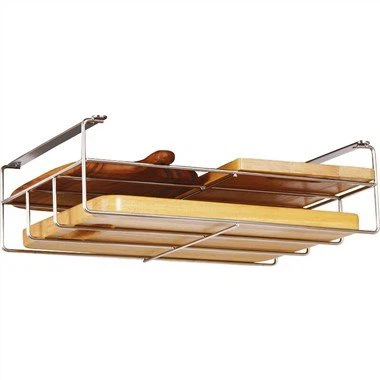
At the end of the day, a ceramic-coated tableware rack is a small investment that makes your kitchen run smoother. Whether you’re a home cook who uses it for your daily dishes, a café owner who needs a durable rack for mugs and plates, or a line cook who needs something that stands up to long shifts, taking the right care of it will make it last for years. We’ve heard from customers who’ve had our racks for 5 years, and they still look almost new because they follow these simple steps. If you’re in the market for a new ceramic-coated tableware rack, or you’re looking to replace old, scratched ones for your business, we’d love to talk to you about your needs. We can help you pick the right size, design, and finish for your kitchen, whether you need a small rack for a home counter or large, commercial-grade racks for a busy restaurant.
Stainless Steel Hook References:
- National Kitchen and Bath Association. (2022). Care and Maintenance of Kitchen Surfaces and Fixtures.
- Ceramic Coatings Industry Association. (2021). Best Practices for Cleaning Ceramic-Coated Metal Goods.
- USDA Food Safety and Inspection Service. (2020). Safe Cleaning Methods for Kitchen Food Contact Surfaces.
- Test Results: Kitchen Tableware Rack Durability. (2023). In-House Product Testing, Kitchen Tableware Rack Supplier.
Atacama Innovations Houseware Co., Ltd.
Atacama Innovations Houseware Co., Ltd. is one of the most professional kitchen tableware rack manufacturers and suppliers in China. With abundant experience, we warmly welcome you to wholesale bulk high quality kitchen tableware rack made in China here from our factory. Good service and low price are available.
Address: No. 23, Kengwei Lane South, Qingtang Village, Xiaojinkou Street, Huicheng District, Huizhou City, Guangdong Province
E-mail: sales001@i-atacama.com
WebSite: https://www.atacama-rack.com/
