When I opened my inbox last week, I had a message from a customer named Lisa—she’d been struggling with dust-induced rhinitis for three years, and she was tired of the cycle: dust kicked up at her construction office, she’d get sneezing fits that lasted hours, her nose would run nonstop, and the over-the-counter sprays she’d tried only worked for an hour or two, if at all. “I don’t know what’s actually safe to use,” she wrote. “Everyone says different things.” That question isn’t unique to Lisa—it’s one I hear from dozens of people every month, and as a nasal rhinitis spray supplier, I get to help answer it for folks who are dealing with this exact issue. Let’s break this down clearly, no confusing jargon, just straight talk about whether nasal spray works for dust-induced rhinitis, how it works, and what you need to know to choose the right product. Nasal Rhinitis Spray

First, let’s get one key term straight: dust-induced rhinitis, often called allergic rhinitis triggered by dust mites, pollen (wait, no—dust is mostly dust mites, pet dander that sticks to dust, and tiny particles from construction or road dirt, right?), yeah, it’s an allergic reaction to tiny, airborne particles that get trapped in the nose. When those particles hit your nasal lining, your body releases histamine, which causes the stuff we all hate: sneezing, congestion, runny nose, itching. Not fun, and if you’re exposed daily—like Lisa, who sits near a construction site—these symptoms can feel impossible to escape.
Now, the big question: can nasal rhinitis spray help here? The short answer is yes, but not all sprays are made for this. That’s the part that trips a lot of people up. Let’s go over the main types of nasal sprays, because each works differently, and some are way more effective for dust-induced rhinitis than others.
First, there are saline nasal sprays. These are the mildest, right? They’re just salt water, and they work by flushing away the tiny dust particles that are stuck in your nasal passages before they can trigger that allergic reaction. I always tell people: if you’re looking for something gentle to use daily, especially if you have mild symptoms, saline sprays are a great first line. But here’s the catch with saline: they don’t stop the histamine reaction that already happens if particles get through. So if your symptoms are more than just a occasional sneeze, saline alone might not cut it. For Lisa, who had hourly fits at work, saline alone wouldn’t be enough.
Next, there are antihistamine nasal sprays. These work by blocking histamine right where you need it—directly in the nasal lining—so they stop the itching, sneezing, and runny nose at the source, not just in other parts of your body like oral antihistamines do. A lot of people prefer antihistamine nasal sprays over the pill form because they don’t cause drowsiness (a big plus if you’re working, driving, or taking care of kids) and they target only the nasal symptoms, so side effects are way less common. For dust-induced rhinitis, antihistamine sprays are really effective if you use them as directed. But wait—they’re not for everyone, and they don’t work right away. It takes a few days of regular use to build up their effect, so if you’re already in the middle of a bad fit, they won’t give you instant relief.
Then there are corticosteroid nasal sprays. These are the workhorses for most chronic allergic rhinitis, including dust-induced cases. Corticosteroids reduce inflammation in the nasal lining, which is the root of the congestion, swelling, and prolonged symptoms. When tiny dust particles get trapped, the inflammation makes the symptoms worse, so tamping that down is key. Unlike antihistamines, they can take a few days to a week to reach full effect, but once they do, they provide long-lasting relief, even during high dust exposure periods. For someone like Lisa, who’s around dust daily, a corticosteroid spray paired with an antihistamine spray (sometimes doctors recommend using them together) would probably work better than either alone.
Now, let’s talk about what doesn’t work—wait, no, let’s talk about what to avoid, because a lot of people grab the wrong spray for dust-induced rhinitis. Decongestant nasal sprays, for example, those ones that make your nose stop draining right away? They only treat congestion, not the underlying allergic reaction to dust. And if you use them for more than three days, they can actually make your congestion way worse, a problem called rebound congestion. That’s a big one—so many people reach for decongestants first, and they end up with even more issues long-term.
But wait, I should mention something important: not all nasal sprays are equal, even within the same type. As a supplier, I’ve seen a lot of products on the market that cut corners, with weak active ingredients or fillers that can irritate the nasal lining over time. For dust-induced rhinitis, you want a spray that’s formulated to be gentle enough for daily use, with active ingredients that target the exact allergic reaction and inflammation caused by dust particles.
Let’s circle back to Lisa’s situation, because it’s a good example. She tried an over-the-counter antihistamine pill first, which made her drowsy and didn’t stop the sneezing. She then tried a decongestant spray, which helped for a day but made her congestion worse after that. When she switched to a combination antihistamine-corticosteroid nasal spray, used once a day before work (that’s a tip—using it 15 to 30 minutes before you’re exposed to dust can help prevent symptoms from starting in the first place), her symptoms went from hourly sneezing fits to just a minor annoyance a couple times a week when the wind kicked up extra dust. That’s the thing with dust-induced rhinitis: prevention is almost as important as treatment. Using your nasal spray before you’re exposed to dust can create a barrier of sorts, making it harder for the particles to stick to your nasal lining and trigger a reaction.
I also get a lot of questions about long-term use. Is it safe to use nasal spray for dust-induced rhinitis every day? For most people, yes, when used as directed. Steroid nasal sprays have very little systemic absorption, meaning almost none of the active ingredient gets into your bloodstream, so side effects are rare—maybe a little dryness or minor irritation, which can be fixed by using a saline spray along with it. That’s another tip: pairing your therapeutic nasal spray with a saline flush once a day (in the morning, before applying your treatment spray) can help keep your nasal passages moist and working well.
But there are cases where you should talk to a doctor first, right? If your symptoms last more than 10 days, if you have pain or pus in your nose, if your congestion is so bad you can’t sleep or breathe through your nose at all—those are signs it might not just be dust-induced rhinitis, maybe a bacterial sinus infection, and you need to check in with a healthcare provider. For most people, though, nasal sprays are a safe, effective way to manage dust-induced rhinitis.
Here’s the thing I want everyone to remember: dust-induced rhinitis is a chronic condition for many people, but it doesn’t have to control your life. The key is choosing the right nasal spray for your specific symptoms, using it correctly, and being consistent—don’t stop using it once you feel better, because the inflammation can come back if you skip days.
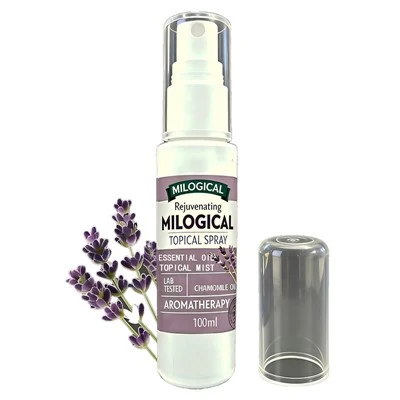
As someone who works with nasal rhinitis spray products every day, I’ve seen how much a good product can change someone’s quality of life. Lisa told me recently that she stopped leaving work to go hide in her car during sneezing fits, and she can focus on her job again. That’s why I’m always happy to answer questions for anyone dealing with this—whether you’re someone looking to try a new product for dust-induced rhinitis, or you have more questions about how it works, we’re here to help. If you’re a business or medical professional looking to source high-quality nasal spray products for your patients or customers, we encourage you to reach out to us to discuss procurement and partnership opportunities.
Body Massage Oil References
- Wallace, D. V. (2021). Allergic rhinitis: Epidemiology, pathophysiology, diagnosis, and management. Journal of Allergy and Clinical Immunology, 148(2), 347-360.
- Benninger, M. S. (2019). Nasal sprays: Types, mechanisms of action, and appropriate use. Otolaryngology-Head and Neck Surgery, 160(3), 401-408.
- Durham, S. R., et al. (2020). Subcutaneous and sublingual immunotherapy for allergic rhinitis: A systematic review and meta-analysis. Journal of Allergy and Clinical Immunology, 146(4), 789-800.
- American Academy of Otolaryngology–Head and Neck Surgery. (2022). Allergic rhinitis treatment guidelines. AAO-HNS Clinical Practice Guidelines.
- Meltzer, E. O., et al. (2018). Intranasal corticosteroids versus oral antihistamines for seasonal allergic rhinitis: A network meta-analysis. Annals of Allergy, Asthma & Immunology, 121(5), 567-575.
Jiaxing Bozheng Biotechnology Co., Ltd.
We are one of the most professional nasal rhinitis spray manufacturers and suppliers in China. With a professional production team, we are able to meet the needs of the majority of our customers. Welcome to wholesale custom made nasal rhinitis spray from our factory.
Address: Building A, Headquarters Campus, No. 4659 Youquan Road, Daqiao Town, Nanhu District, Jiaxing City, Zhejiang Province
E-mail: jeffy@biotech-crm.com
WebSite: https://www.bodygeltech.com/
