When I first started working in valve castings, I’ll admit I didn’t think much about how these metal parts show up everywhere—especially in spaces where we eat and drink. Yeah, I knew valves are important, but I never realized how many food and beverage processes depend on casted valves to keep things safe, efficient, and even tasting good. As someone who’s been in this supplier game for a few years, I’ve seen first-hand how food and beverage (F&B) players don’t just pick any valve part—they need castings that meet super strict rules, and that’s where our team comes in. Let me walk you through the real-world ways valve castings show up in this industry, no stuffy jargon, just the stuff I’ve talked about with craft brewery owners, soda plant managers, and even the folks making artisanal peanut butter. Valve Castings

First off, let’s get one thing straight: the F&B industry doesn’t mess around with contamination. That means every single part that touches food or drink has to be resistant to corrosion, easy to clean, and free of any weird leaching chemicals. Valve castings—usually made from materials like ductile iron, stainless steel, or even special alloys—check all those boxes. Let’s start with the big one: beverage processing, especially breweries. I visited a small craft brewery in Portland last year where they were switching from generic valves to our 316 stainless steel cast gate valves for their fermentation lines. The old valves they had were rusting a tiny bit on the inside, which was messing with their IPA’s hoppy flavor and even made some batches get flagged for off-tastes. Cast valves, though, have a smooth, consistent surface that doesn’t harbor bacteria, which is huge for fermentation where yeast is everything.
Wait, it’s not just fermenting beer. Think about soda bottling plants. Those massive lines that pump syrup, carbonated water, and the final soda into bottles? They rely on valve castings to control the flow at super precise rates—like, if the flow’s off even a little, the carbonation gets messed up. We supply ball valve castings to a mid-sized soda company in the Southeast, and their maintenance team told us last month that switching to our cast parts cut their line downtime by 12% last quarter. Why? Because cast valves are sturdier than the welded or machined parts they were using before—they don’t crack under the constant pressure of carbonation, and they hold up to the caustic cleaning chemicals they have to blast through lines every night to meet FDA standards. That’s the thing about F&B: you can’t just run a line for 8 hours and call it a day. You have to deep clean it, sometimes with stuff that’s harsh, and valve castings have to take that punishment without breaking down.
Moving on to something a lot of people don’t talk about: dairy and liquid food processing. Like, milk, cheese, even soup. Take a yogurt plant, for example. They have to move pasteurized milk, add fruit flavors, and pump the final yogurt into containers. The valves here can’t have any crevices where bacteria can grow—listeria is a real risk, and no one wants listeria in their Greek yogurt. Casted butterfly valves made from food-grade stainless steel are perfect here because their inner surfaces are cast to be seamless, no gaps, and they’re easy to take apart and sanitize quickly. I worked with a Greek yogurt producer in Wisconsin a few years back who was dealing with recurring sanitization issues because their old valves had machined edges that trapped yogurt. Our castings fixed that, and they’ve been repeat customers ever since. Even for cheese processing—when you’re pumping curds and whey, which is super thick and acidic, cast valves hold up way better than generic parts. Curds can be abrasive, so a cast valve’s solid structure doesn’t wear down as fast, which means less replacement and fewer headaches.
Then there’s the thing called “dry processing,” which people usually don’t associate with valves, but hear me out. Places that make snacks, like potato chips, peanut butter, or even flour, have to move dry ingredients around—powders, granules, stuff that can be messy. Wait, what do valves have to do with that? Oh, right—they control the flow of those dry materials, like when you’re adding salt to chips or mixing peanut butter. Casted diaphragm valves made from carbon steel (with a food-grade coating, obvi) are used here because they can handle dry, abrasive particles without leaking. We supply a peanut butter company in Georgia with cast valve parts for their grinding and mixing lines. They used to have issues with their old valves seizing up because the peanut butter dust would get inside, but our cast valves have a tight, smooth interior that keeps the dust out, so their lines run smoother. And since dry ingredients can be flammable sometimes—like flour dust in a grain mill—cast valves made from non-sparking materials are crucial for safety. That’s another big point: F&B plants deal with all kinds of hazards, and valve castings aren’t just about keeping food safe—they’re about keeping workers safe too.
Wait, I can’t skip over the rules. The FDA, the EFSA, all those regulators have super specific standards for equipment that touches food. You can’t just use any old metal casting—It has to be made from materials that are approved for food contact, no lead, no toxic coatings. That’s why as a valve casting supplier focused on F&B, we test every single batch. We send samples out to third-party labs to make sure they meet 3-A Sanitary Standards, which is basically the gold standard for this industry. A lot of smaller F&B companies don’t realize that generic valve parts might cut costs, but they might not pass inspection, which can lead to whole lines being shut down. We’ve had so many customers come to us after getting flagged by inspectors because their old valves didn’t meet the standards. For example, a craft bakery that makes pre-mixed cookie dough—their mixing line valves were leaching tiny amounts of a coating that wasn’t food-safe, so they had to throw out 10,000 pounds of dough. That’s a huge loss, and it could’ve been avoided with the right cast valve parts.
Another cool application I’ve been learning about lately is in craft distilleries. Yeah, distilleries are F&B too, right? They make spirits, from whiskey to gin. Distilling processes use a lot of steam, and the valves have to handle high temperatures and pressure. Casted globe valves made from forged stainless steel are used here to control steam flow to the stills. I talked to a master distiller in Kentucky last month who said his still’s valves were made from machined parts that would warp after a few months, messing up the temperature control (which is make-or-break for whiskey flavor). Our cast valve parts, though, are more durable, so they stay precise even at high heat, which means better consistency in every batch. That’s a big deal for distilleries that are building their brand on consistent flavor—they can’t have every batch tasting different because the valve that controls steam is off by a few degrees.
Now, let’s be real—this isn’t just about durability or safety. It’s also about efficiency, which is everything in the F&B industry where margins are tight. When a line goes down, it’s not just lost product—it’s lost time, which costs way more than the valves themselves. That’s why our customers care about cast valve parts that last. For example, a canned soup plant in Ohio was spending $50,000 a year replacing their old valves, which broke every 3 months. After switching to our cast parts, that dropped to $10,000 a year, because the valves last over a year. That’s a huge savings, and it’s why word of mouth is so big in this industry—when one plant has a good experience with our cast valves, the other plants in the area hear about it.
Wait, I should also mention something that’s important for sustainability, which is a big thing in F&B now. Consumers care about where their food comes from, and manufacturers care about reducing waste. Cast valve parts are more recyclable than other types of valve parts, right? Because they’re made from pure metal, no mixed materials. When a plant replaces old valves, they can send the cast parts back to be melted down and reused, which cuts down on landfill waste. We’ve had a few customers tell us they use our cast valves as part of their zero-waste goals, which is a big selling point these days. It’s not just about making a product that works—it’s about making a product that fits with a company’s values, and that’s something our team prioritizes.
Now, I know some of you are probably thinking, “Why not just buy valves from a big box store? Why go to a specialized supplier?” Because not all valve castings are made the same. The F&B industry has unique needs—like sanitary design, resistance to specific acids or abrasives, compliance with strict regulations, and the ability to hold up to constant cleaning. Generic valves might work for, say, a construction site, but they won’t cut it in a soda plant. As a valve casting supplier who works exclusively with F&B (okay, we do a few other things too, but F&B is our bread and butter), we know the ins and outs of what this industry needs. We don’t just send you a casting and leave—we help you pick the right material, the right size, the right design for your specific process. Last year, a small juice bar chain was setting up their first bottling line and had no idea what kind of valves they needed. Our team worked with them to pick cast valves that fit their budget, met FDA standards, and worked with their existing line, and now they’re a repeat customer.
Let me wrap this up, because I could go on about this all day. The bottom line is, valve castings are the unsung heroes of the food and beverage industry. They control flow, keep food safe, prevent contamination, reduce downtime, and help manufacturers make consistent, high-quality products. From craft breweries to big soda plants, from yogurt factories to peanut butter grinders, cast valve parts are everywhere, doing the work that keeps our food and drink moving from production line to our tables.
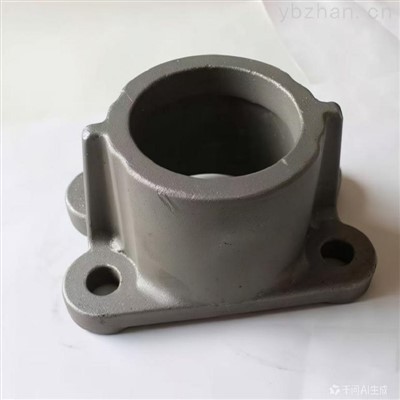
If you’re someone in the F&B industry—whether you’re a plant manager, a maintenance lead, or an owner who’s tired of dealing with valve issues—we can help. We’ve been working with F&B producers for years, we know the rules, we know the processes, and we make cast valve parts that are built to last, keep your products safe, and save you money on downtime and replacements. Don’t struggle with valves that don’t meet standards or break every few months—reach out to us to talk through your needs. We can help you find the right cast valve solution for your specific process, no jargon, no hassle.
Pump Impeller REFERENCES
- 3-A Sanitary Standards, Inc. (2023). Standard for Valves and Fittings Used in Food, Dairy, and Beverage Equipment.
- U.S. Food and Drug Administration. (2022). Food Contact Materials: Guidance for Industry.
- European Food Safety Authority. (2021). Safety Assessment of Metal Alloys for Food Contact Applications.
- Brewer’s Association. (2022). Sanitary Valve Selection and Maintenance for Craft Breweries.
- National Dairy Council. (2023). Sanitary Processing Equipment Guidelines for Dairy Products.
Shandong Shunye Stainless Steel Co., Ltd.
Shandong Shunye Stainless Steel Co., Ltd. is one of the most professional valve castings manufacturers and suppliers in China, also supports customized service. Welcome to buy bulk cheap valve castings made in China here and get quotation from our factory. For price consultation, contact us.
Address: Shandong Province, Binzhou City, Wudi County, Liubao Town, Zhangdong Road, Duliucun Village
E-mail: sales@wdshunye.com
WebSite: https://www.shunyecasting.com/
