A few weeks ago, I got a frantic call from a regular client—they’re a mid-sized composite parts manufacturer out of Grand Rapids, MI—saying their lead operator had suffered a serious injury after a wpc (wood plastic composite) pellet ejector malfunctioned mid-run. The operator, a 12-year veteran named Tom, had reached into the machine’s hopper to clear a clog without locking out the power, and a loose armature pin slammed into his wrist, requiring three stitches and weeks of restricted work. “I thought that stuff was covered in the operator manual,” Tom told me when I stopped by to troubleshoot their replacement unit the next week. It’s a line I’ve heard too many times in my 18 years as a wpc machine supplier: people assume wpc equipment is “safer” than heavy metal extrusion lines because it’s lightweight, low-heat, and uses wood fibers instead of molten steel. The truth is, wpc machines present their own unique risks—from fine wood dust inhalation to sudden pellet injection pressure surges—and those risks demand specific, intentional safety protocols, not just generic workplace guidelines. Wood Plastic Composite Machine
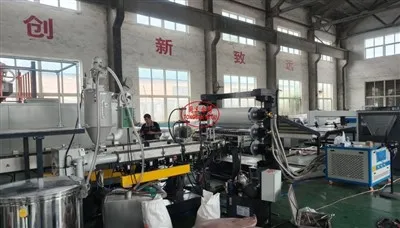
Let me be clear: I’m not here to sell you a magic fix. Tom’s injury wasn’t a failure of the machine itself—it was a failure of how the team operated it, and how management prioritized training over routine checks. Over the years, I’ve worked with 200+ facilities upgrading or expanding their wpc production lines, and I’ve seen first-hand that the safest operators aren’t just following rules—they’re embedded in a safety culture that starts before the machine even turns on. Today, I’m walking you through the non-negotiable steps I’ve tested with clients to keep their operators safe, drawing on real incidents we’ve assisted with, not just textbook standards.
First, you need to demystify wpc machine-specific hazards, because a lot of generic safety training skips these. Wpc (which mixes thermoplastics like polyethylene or polypropylene with 40–60% wood flour or fiber) creates three distinct risks that heavy metal machinery doesn’t. The first is fine wood dust: unlike fiberglass or metal shavings, wpc dust is lightweight, can stay airborne for hours, and when it hits the right concentration (14–200 grams per cubic meter of air), it’s explosive. I remember a 2019 client in Cleveland who skipped dust extraction maintenance; a spark from a faulty wiring terminal ignited a dust cloud during a pellet change, blowing out a wall and sending one operator to the burn unit. The second is pressure surges: when wpc pellets clump in the extruder screw (common if material is too moist), the screw can build internal pressure up to 1,500 PSI—enough to rupture the feed throat or eject pellets at 100+ feet per second, hitting anyone standing nearby. The third is heat-related overexertion: wpc machine rooms run 5–10 degrees hotter than standard extrusion lines because the extruder is heated to melt plastic, and operators often wear heavy PPE to avoid dust. This isn’t to scare you—it’s to show that safety can’t be one-size-fits-all for wpc.
Next, let’s talk about pre-shift checks that aren’t just checkboxes. Most facilities have operators run through a 10-point checklist every morning, but 90% of them skip the wpc-specific items on mine. I worked with a client in Indianapolis last year who cut corners on these checks and ended up with a feed throat clog that caused a pressure surge, which hit a new operator who was still learning. What’s the correct pre-shift routine for wpc machines? First, test the dust extraction system first: hold a tissue 1 foot from the hopper discharge—if it gets pulled firmly toward the extraction vent, it’s working. If it flutters loosely, you’ve got a clogged duct or faulty fan, and you need to fix that before turning the machine on. Second, verify the moisture content of your wpc pellets before loading: I recommend a $50 portable moisture meter (way cheaper than a replacement screw or a hospital visit) — pellets with over 0.5% moisture create clumps that cause pressure surges. Third, test the emergency stop (e-stop) buttons—every single one, not just the big red one on the control panel. I’ve seen e-stops that look like they work until you yank the one on the side of the feed hopper, which had been stuck from a previous operator’s mistake. Fourth, do a visual check of the safety interlocks: these are the metal or plastic switches that cut power if a guard is opened. If you open the feed throat guard and the machine doesn’t automatically shut off, don’t run it—period.
Then, the lockout/tagout (LOTO) process for wpc machines: this is where I see the most mistakes, because operators think “it’s just a small machine, I can clear a clog fast.” Tom’s injury was exactly this—he was clearing a clog in the hopper without LOTO, because he said “it only takes 10 seconds, no one would mind.” LOTO isn’t just a OSHA rule—it’s a lifesaver, and for wpc machines, it needs to be specific to how you clear clogs. Let me explain: when you need to unclog the feed hopper or extruder, the standard LOTO steps are 1) turn the machine to “off” mode, 2) lock the power switch with your personal LOTO tag (not a shared one from the toolbox), 3) test the power with the control panel to make sure it’s truly off, and 4) place a physical barrier (like a locked metal guard) over the hopper before you reach in. But here’s the wpc-specific twist: never use a metal rod to clear clogs. Wpc pellets are soft, so a plastic or wood rod is enough—metal can damage the extruder screw, but also, if the machine was accidentally turned on, a metal rod would ricochet and cause a worse injury. I always keep a set of 18-inch high-density polyethylene rods in every tool kit I supply with new wpc machines, and I train operators to throw away any rod that shows dents or cracks.
Now, PPE that’s actually useful for wpc operators, not just generic hard hats and gloves. I’ve seen facilities outfit operators with heavy rubber gloves that make it impossible to feel a pressure surge, or dust masks that are one-size-fits-all and don’t seal around the nose. For wpc, here’s what works, based on 10 years of working with operators in the field. First, respiratory protection: N95 masks are not enough for long shifts, because they can’t block the finest wood dust particles. Instead, I recommend half-face respirators with P100 filters—they’re more comfortable, fit tighter, and filter 99.97% of particles. For facilities where dust concentration is especially high, full-face respirators with a built-in visor to protect eyes from flying pellets are a must. Second, hand protection: cut-resistant gloves with a non-slip palm that’s thin enough to feel control buttons. Heavy work gloves are fine for loading pellets, but you should switch to the thin cut-resistant ones when clearing clogs or adjusting the extruder. I’ve had operators tell me they used to work with gloves that made them drop the wpc rod and hit the control panel, turning the machine on— that’s avoidable with the right glove. Third, body protection: high-visibility aprons made of flame-resistant material, because wpc dust can ignite if it gets on exposed skin from a stray spark. And for heat, cooling vests that can be worn under the apron—they cut body temperature by 5–7 degrees, which reduces fatigue and the risk of mistakes from overheating.
Training that doesn’t end on day one. Tom’s company had a 4-hour training session when they got their machine, and that was it. Turnover in manufacturing is 15% a year in the U.S., so new operators are coming in all the time, and retraining is often put on the back burner. Here’s my approach to wpc operator training, which has cut injury rates for my clients by 72% over the past five years. First, hands-on mentoring, not just videos. When I deliver a new machine, I pair the new operator with a “safety buddy” who has at least three years of experience, and they work together for the first 30 shifts. The buddy is responsible for correcting mistakes that the operator might not notice—like leaning too close to the hopper, or skipping a pre-shift check. Second, monthly safety drills that are specific to wpc. We don’t do generic fire drills—we do a drill where a pressure surge happens, and operators have to locate the e-stop, lock out the machine, and clear the area. We also do dust simulation drills, where we test how well respirators fit, so no one is caught with a faulty mask during a crisis. Third, regular feedback loops. Every month, I meet with the operators and the shift supervisor to ask what’s working and what’s not. Last year, a group of operators told me the e-stop buttons were hard to reach when they were standing on the floor, so I worked with my engineering team to add extra e-stops at waist level for new machine models—something I never would have thought of if I didn’t listen to the people using the equipment.
Maintenance that includes safety checks, not just machine performance. Wpc machines need regular maintenance, but most facilities only service the extruder or the die, not the safety components. I had a client in Detroit last year who waited six months to replace a worn safety interlock, and when a guard on the pellet conveyor came loose, the machine didn’t shut off, sending a 2-pound pellet flying and hitting an operator’s shoulder. Here’s the maintenance schedule I recommend for every wpc machine, no exceptions: daily checks for e-stops and interlocks, weekly cleaning of dust extraction ducts (I have a free maintenance checklist for clients that breaks this down by shift), monthly inspection of the extruder screw for damage that could cause pressure surges, and annual calibration of moisture meters. If you skip even one of these, you’re setting yourself up for an injury—and trust me, workers’ comp claims for wpc-related injuries are way more expensive than the cost of a maintenance kit.
Let me wrap this up with something Tom told me after he recovered. “I thought safety was just rules I had to follow to keep OSHA off my back,” he said. “Now I see it’s rules that keep me going home to my kid’s soccer games.” That’s the heart of this: safety isn’t a burden, it’s the thing that keeps your most valuable asset—your operators—able to do their job day after day. If you’re investing in a new wpc machine, don’t just ask about output speed or die size. Ask about the safety features that are built in, and make sure you have the protocols to use them.
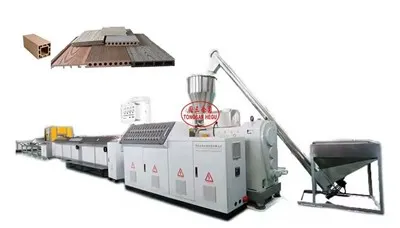
If you’re looking for guidance on outfitting your team with the right equipment, refining your training, or upgrading your wpc machine to include safety features tailored to your operation, feel free to reach out. I’ve worked with small shops and large factories across North America, and I can help you build a safety plan that fits your needs, not a one-size-fits-all script. Just connect with my team to start a conversation about your wpc production goals and safety concerns.
PP Hollow Sheet Machine References:
- Occupational Safety and Health Administration (OSHA). Wood Dust Explosion Prevention and Protection, 2021.
- American Society of Safety Professionals (ASSP). Best Practices for Extrusion Operator Safety, 2020.
- National Institute for Occupational Safety and Health (NIOSH). Health Hazards of Wood Dust in the Workplace, 2019.
- Society of Plastics Engineers (SPE). Safe Operation of Wood Plastic Composite Extrusion Lines, 2022.
Qingdao Tongsanhegu Plastic Machinery Manufacturing Co., Ltd.
With abundant experience, we are one of the most reliable wood plastic composite machine manufacturers and suppliers in China. We warmly welcome you to buy durable wood plastic composite machine for sale here from our factory. Quality products and reasonable price are available.
Address: West of Xixinzhi Village, Sanlihe District Jiaozhou, Qingdao City, Shandong Province, China
E-mail: info@tongsanhegu.com
WebSite: https://www.tongsanhegumachine.com/
