As a seasoned masking tape supplier, I often encounter customers who are unsure about the differences between low – tack and high – tack masking tapes. This confusion is quite understandable, as these two types of tapes serve different purposes and finding the right one is crucial for various applications. In this blog post, I’ll delve into the fundamental differences between low – tack and high – tack masking tapes, helping you make an informed decision for your specific needs. Masking Tape
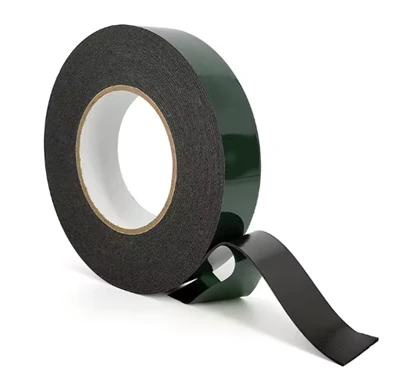
Adhesive Strength
The most obvious difference between low – tack and high – tack masking tapes lies in their adhesive strength. Low – tack tapes have a relatively weak adhesive force. When applied to a surface, they can stick firmly enough to stay in place during normal use, but they can be easily removed without leaving any residue behind. This makes them ideal for use on delicate or freshly painted surfaces, such as walls in a newly renovated room or freshly varnished furniture.
On the other hand, high – tack masking tapes have a much stronger adhesive. They are designed to adhere firmly to surfaces, even in challenging conditions. This type of tape is great for applications where a strong bond is required, like in industrial settings where there may be exposure to high temperatures, vibrations, or chemicals. For instance, in automotive manufacturing, high – tack masking tapes are used to protect parts during painting processes, as they need to stay firmly in place despite the movement and temperature changes in the production environment.
Surface Compatibility
Another significant difference is the range of surfaces each type of tape can be used on. Low – tack masking tapes are extremely versatile when it comes to delicate surfaces. They can be used on painted walls, wallpapers, polished metals, and even plastic surfaces without causing damage. The gentle adhesive ensures that when the tape is removed, it won’t peel off the paint or leave marks on the surface.
High – tack tapes, due to their strong adhesive, are better suited for more robust surfaces. Rough or uneven surfaces like concrete, brick, or raw wood can effectively hold high – tack masking tapes. These surfaces can withstand the strong pulling force that may be required to remove the tape. However, using high – tack tapes on delicate surfaces is a big no – no, as it can result in damage such as paint peeling or surface scratches upon removal.
Application Scenarios
The application scenarios for low – tack and high – tack masking tapes are quite different. Low – tack tapes are commonly used in home improvement projects. For example, when you’re painting a room and want to create clean lines, you can use low – tack masking tape to cover the baseboards, window frames, or door frames. It allows for easy masking and removal, ensuring a professional – looking finish. In the arts and crafts field, low – tack tapes are also popular for temporary masking and holding light – weight materials together.
High – tack masking tapes have a wide range of industrial applications. In the construction industry, they are used for masking areas during concrete pouring or for protecting structural elements from paint or other construction chemicals. In the electronics industry, high – tack tapes are used to secure components during the manufacturing process, as the strong adhesive can ensure that the components stay in place even during high – speed assembly.
Temperature and Chemical Resistance
Temperature and chemical resistance are important considerations when choosing between low – tack and high – tack masking tapes. Low – tack tapes generally have limited temperature and chemical resistance. They are designed for regular indoor use and may start to lose their adhesive properties or become damaged when exposed to extreme temperatures or harsh chemicals.
High – tack tapes, in contrast, are engineered to withstand more challenging environmental conditions. Many high – tack masking tapes can resist high temperatures up to several hundred degrees Celsius, making them suitable for applications in industries such as aerospace or automotive manufacturing where high – temperature processes are common. They also tend to have better chemical resistance, being able to withstand exposure to solvents, acids, and other chemicals without losing their adhesive strength.
Durability and Long – term Use
When it comes to durability and long – term use, the differences between low – tack and high – tack masking tapes are also notable. Low – tack tapes are not designed for long – term applications. Their weak adhesive is meant for short – term masking, and over time, they may start to lose their grip and fall off. They are best used for projects that require a quick masking solution and where the tape will be removed within a relatively short period.
High – tack tapes, on the other hand, are built for long – term use. Their strong adhesive ensures that they can stay in place for extended periods, even in demanding environments. For example, in outdoor construction projects, high – tack masking tapes can remain adhered to surfaces for weeks or even months without any significant degradation of the adhesive.
Cost Considerations
Cost is often a factor in purchasing decisions. Generally, low – tack masking tapes are more affordable. They are made with simpler adhesives and materials, which reduces their production costs. This makes them a cost – effective option for small – scale home improvement projects or occasional use.
High – tack masking tapes, with their more advanced adhesives and better performance characteristics, tend to be more expensive. However, considering their durability, temperature and chemical resistance, and strong adhesive strength, the higher cost is often justified for industrial applications where reliability is crucial.
Choosing the Right Tape for Your Project
As a masking tape supplier, my goal is to help you select the right tape for your project. When choosing between low – tack and high – tack masking tapes, consider the following factors:
- Surface type: If you’re working on a delicate surface, opt for a low – tack tape. For rough or industrial – grade surfaces, high – tack is the way to go.
- Application duration: For short – term projects, a low – tack tape will suffice. For long – term applications, especially in harsh environments, high – tack is more appropriate.
- Environmental conditions: If your project involves exposure to high temperatures or chemicals, choose a high – tack tape with good resistance.
- Budget: If cost is a major concern and your requirements are relatively simple, low – tack tapes offer a cost – effective solution.
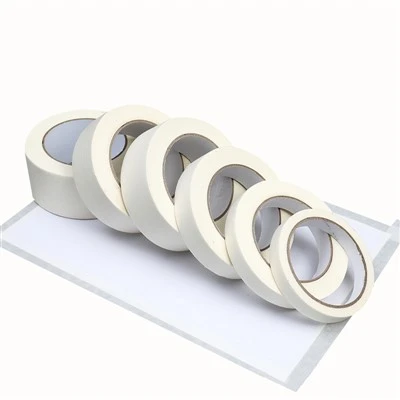
In conclusion, understanding the differences between low – tack and high – tack masking tapes is essential for achieving the best results in your projects. Whether you’re a DIY enthusiast working on a home improvement project or an industrial manufacturer in need of a reliable masking solution, there’s a tape that’s perfect for you.
Nano Tape As a masking tape supplier, I’m committed to providing high – quality products and expert advice. If you’re still unsure which type of tape is right for your specific needs, or if you’re interested in purchasing masking tapes, I encourage you to reach out. Our team of experts will be more than happy to discuss your requirements and help you find the most suitable masking tape solutions.
References
- "Handbook of Pressure – Sensitive Adhesive Technology" by Donatas Satas
- "Adhesives and Sealants" encyclopedia article
- Product documentation from leading masking tape manufacturers
Yiwu Yubang Adhesive Products Co., Ltd.
As one of the most professional masking tape manufacturers and suppliers in China, we also support custom service. We warmly welcome you to wholesale high quality masking tape made in China here from our factory. If you have any enquiry about cooperation, please feel free to email us.
Address: 4th Floor, No. 17 Gantang West Road, Yiting Town, Yiwu City, Jinhua City
E-mail: salesmanager@yubangtape.com
WebSite: https://www.yubang-tape.com/
