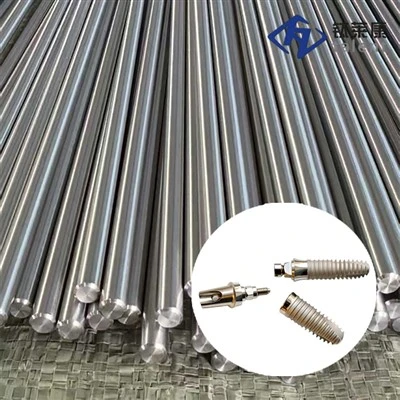
Medical titanium wires are a crucial component in the field of orthopedic surgeries, offering a unique set of properties that make them highly suitable for various applications. As a supplier of medical titanium wires, I have witnessed firsthand the impact these materials have on orthopedic procedures. In this blog post, I will explore the use of medical titanium wires in orthopedic surgeries, highlighting their benefits, applications, and considerations. Medical Titanium Wires
Properties of Medical Titanium Wires
Titanium is a remarkable metal known for its exceptional properties, which make it an ideal choice for medical applications. Medical titanium wires are typically made from titanium alloys, such as Ti-6Al-4V, which offer a balance of strength, corrosion resistance, and biocompatibility. Here are some key properties of medical titanium wires:
- High Strength-to-Weight Ratio: Titanium has a high strength-to-weight ratio, making it stronger than many other metals while being relatively lightweight. This property is particularly important in orthopedic surgeries, where minimizing the weight of implants can reduce stress on the surrounding tissues and bones.
- Corrosion Resistance: Titanium is highly resistant to corrosion, even in harsh biological environments. This resistance ensures the long-term stability and durability of medical titanium wires, reducing the risk of complications such as infection and implant failure.
- Biocompatibility: Medical titanium wires are biocompatible, meaning they are well-tolerated by the human body. They do not elicit an immune response or cause adverse reactions, making them suitable for long-term implantation in the body.
- Flexibility and Malleability: Titanium wires are flexible and malleable, allowing them to be easily shaped and molded to fit the specific needs of the patient. This property is essential in orthopedic surgeries, where the wires may need to be contoured to match the anatomy of the bone or joint.
Benefits of Using Medical Titanium Wires in Orthopedic Surgeries
The use of medical titanium wires in orthopedic surgeries offers several benefits, both for the patient and the surgeon. Here are some of the key advantages:
- Enhanced Fixation: Medical titanium wires provide a reliable means of fixation in orthopedic surgeries. They can be used to secure bone fragments, repair fractures, and stabilize joints, helping to promote proper healing and recovery.
- Minimally Invasive Surgery: Titanium wires are often used in minimally invasive orthopedic surgeries, which offer several advantages over traditional open surgeries. Minimally invasive procedures typically result in less pain, shorter hospital stays, and faster recovery times for patients.
- Reduced Risk of Complications: The biocompatibility and corrosion resistance of medical titanium wires reduce the risk of complications such as infection, implant failure, and allergic reactions. This allows for a more successful and predictable outcome in orthopedic surgeries.
- Long-Term Durability: Titanium wires are designed to withstand the mechanical stresses and forces exerted on them in the body. Their high strength and durability ensure that they can provide long-term support and stability, even in demanding orthopedic applications.
Applications of Medical Titanium Wires in Orthopedic Surgeries
Medical titanium wires are used in a wide range of orthopedic surgeries, from simple fracture repairs to complex joint reconstructions. Here are some common applications of medical titanium wires in orthopedic procedures:
- Fracture Fixation: Titanium wires are commonly used to secure bone fragments in fracture fixation surgeries. They can be used alone or in combination with other fixation devices, such as plates and screws, to provide stable fixation and promote proper healing of the fracture.
- Spinal Fusion: In spinal fusion surgeries, medical titanium wires are used to stabilize the spine and promote bone growth between the vertebrae. They can be used to hold bone grafts in place and provide additional support to the spinal column.
- Joint Reconstruction: Titanium wires are also used in joint reconstruction surgeries, such as knee and hip replacements. They can be used to secure soft tissues, such as ligaments and tendons, and to provide stability to the joint during the healing process.
- Hand and Foot Surgeries: Medical titanium wires are often used in hand and foot surgeries to repair fractures, correct deformities, and reconstruct tendons and ligaments. Their flexibility and small size make them ideal for use in these delicate procedures.
Considerations for Using Medical Titanium Wires in Orthopedic Surgeries
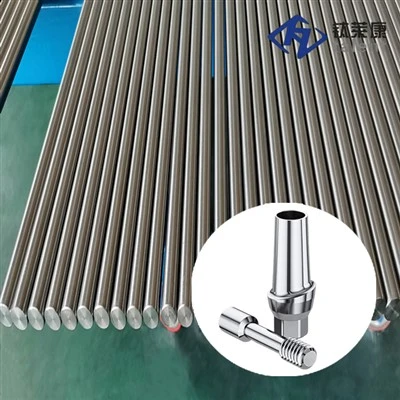
While medical titanium wires offer many benefits in orthopedic surgeries, there are also some considerations that surgeons need to take into account. Here are some key factors to consider when using medical titanium wires:
- Proper Sizing and Selection: It is important to select the appropriate size and type of medical titanium wire for each individual patient and surgical procedure. The wire should be strong enough to provide adequate fixation, but not so thick that it causes unnecessary damage to the surrounding tissues.
- Surgical Technique: The proper surgical technique is essential for the successful use of medical titanium wires. Surgeons need to be experienced in handling and inserting the wires to ensure proper placement and fixation.
- Patient Factors: Patient factors, such as age, overall health, and the presence of any underlying medical conditions, can also affect the outcome of orthopedic surgeries using medical titanium wires. Surgeons need to carefully evaluate these factors and make appropriate decisions based on the individual patient’s needs.
- Follow-Up Care: After surgery, patients need to receive proper follow-up care to monitor the healing process and ensure the long-term success of the implant. This may include regular check-ups, imaging studies, and physical therapy.
Conclusion
Titanium Plates In conclusion, medical titanium wires are a valuable tool in orthopedic surgeries, offering a unique set of properties that make them highly suitable for various applications. Their high strength, corrosion resistance, biocompatibility, and flexibility make them an ideal choice for securing bone fragments, stabilizing joints, and promoting proper healing. As a supplier of medical titanium wires, I am committed to providing high-quality products that meet the needs of surgeons and patients alike. If you are interested in learning more about our medical titanium wires or would like to discuss purchasing options, please do not hesitate to contact me. I look forward to the opportunity to work with you and contribute to the success of your orthopedic surgeries.
References
- Ratner, B. D., Hoffmann, A. S., Schoen, F. J., & Lemons, J. E. (Eds.). (2004). Biomaterials science: An introduction to materials in medicine. Elsevier.
- Hench, L. L., & Ethridge, E. C. (Eds.). (1982). Biomaterials: An introduction. Academic Press.
- Brown, P. W., & Emery, R. J. (2000). Hand surgery: A practical guide. Martin Dunitz.
- Canale, S. T., & Beaty, J. H. (Eds.). (2008). Campbell’s operative orthopaedics. Mosby Elsevier.
Baoji Tailaikang High-Tech Metal Materials Co., Ltd.
With abundant experience, we are one of the most professional medical titanium wires manufacturers and suppliers in China. Please feel free to buy medical titanium wires for sale here and get pricelist from our factory. For price consultation, contact us.
Address: No. 1, Southeast Cross of Gaoxin Avenue and Fenghuang 3rd Road, High-tech Development Zone, Baoji City, Shaanxi Province, China
E-mail: sale@tlkjs.com
WebSite: https://www.tlkmetal.com/
