Maintaining welded pipe fittings is crucial for ensuring their longevity, performance, and safety in various industrial and commercial applications. As a supplier of welded pipe fittings, I understand the significance of proper maintenance in preserving the integrity of these essential components. In this blog post, I will share some practical tips and best practices on how to maintain welded pipe fittings effectively. Welded Pipe Fittings
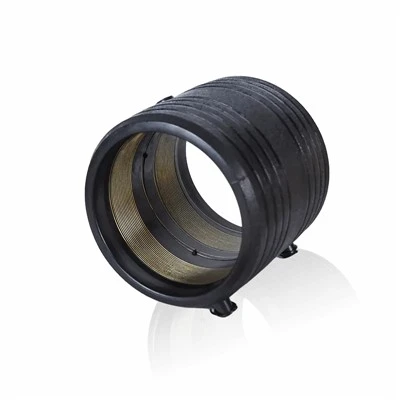
1. Regular Inspection
Regular inspection is the cornerstone of maintaining welded pipe fittings. By conducting routine checks, you can identify potential issues early on and take proactive measures to prevent costly repairs or replacements. Here are some key aspects to consider during inspections:
- Visual Inspection: Perform a visual examination of the welded pipe fittings to check for signs of corrosion, cracks, leaks, or other physical damage. Pay close attention to the weld joints, as they are often the most vulnerable areas.
- Dimensional Checks: Measure the dimensions of the pipe fittings to ensure they meet the specified tolerances. Any significant deviations from the original dimensions could indicate structural problems or improper installation.
- Pressure Testing: Conduct pressure tests periodically to verify the integrity of the pipe fittings and detect any leaks. This is especially important for high-pressure applications.
- Non-Destructive Testing (NDT): Consider using non-destructive testing methods such as ultrasonic testing, magnetic particle testing, or radiographic testing to detect internal flaws or defects that may not be visible during a visual inspection.
2. Cleaning and Degreasing
Proper cleaning and degreasing of welded pipe fittings are essential for preventing corrosion and maintaining their performance. Here are some guidelines to follow:
- Remove Contaminants: Use a suitable cleaning agent to remove dirt, grease, oil, and other contaminants from the surface of the pipe fittings. Avoid using abrasive cleaners or tools that could damage the pipe surface.
- Degrease the Weld Joints: Before welding, ensure that the weld joints are thoroughly degreased to prevent the formation of porosity or other welding defects. Use a degreasing agent specifically designed for use on metal surfaces.
- Rinse and Dry: After cleaning and degreasing, rinse the pipe fittings thoroughly with clean water to remove any residual cleaning agents. Dry the pipe fittings completely to prevent the formation of rust or corrosion.
3. Corrosion Prevention
Corrosion is one of the most common causes of failure in welded pipe fittings. To prevent corrosion, it is important to take proactive measures to protect the pipe surface. Here are some effective corrosion prevention strategies:
- Coating: Apply a protective coating to the surface of the pipe fittings to prevent corrosion. There are various types of coatings available, including epoxy coatings, polyurethane coatings, and zinc coatings. Choose a coating that is suitable for the specific application and environmental conditions.
- Cathodic Protection: Install a cathodic protection system to protect the pipe fittings from corrosion. Cathodic protection works by providing a sacrificial anode that corrodes instead of the pipe surface. This is particularly useful in underground or submerged applications.
- Proper Storage: Store the welded pipe fittings in a dry, well-ventilated area to prevent moisture from accumulating on the surface. Avoid storing the pipe fittings in direct contact with the ground or other metal surfaces, as this can accelerate corrosion.
4. Proper Installation
Proper installation is essential for ensuring the long-term performance and reliability of welded pipe fittings. Here are some important installation guidelines to follow:
- Follow Manufacturer’s Instructions: Always follow the manufacturer’s installation instructions and recommendations. This includes using the correct welding procedures, torque values, and installation tools.
- Ensure Proper Alignment: Proper alignment of the pipe fittings is crucial for preventing stress concentrations and ensuring a leak-free connection. Use alignment tools and techniques to ensure that the pipe fittings are aligned correctly before welding.
- Control Welding Parameters: Control the welding parameters such as welding current, voltage, and travel speed to ensure a high-quality weld. Improper welding parameters can result in weld defects such as porosity, cracks, or lack of fusion.
- Perform Post-Weld Heat Treatment (PWHT): In some cases, post-weld heat treatment may be required to relieve residual stresses and improve the mechanical properties of the weld joint. Follow the manufacturer’s recommendations regarding the need for PWHT and the appropriate heat treatment parameters.
5. Training and Education
Proper training and education are essential for ensuring that personnel involved in the maintenance and installation of welded pipe fittings have the necessary skills and knowledge. Here are some ways to provide training and education:
- On-the-Job Training: Provide on-the-job training to new employees to familiarize them with the proper maintenance and installation procedures for welded pipe fittings. This can include hands-on training sessions, demonstrations, and practical exercises.
- Professional Development Courses: Encourage employees to participate in professional development courses and training programs related to welded pipe fittings. These courses can provide in-depth knowledge and skills in areas such as welding techniques, inspection methods, and corrosion prevention.
- Safety Training: Provide comprehensive safety training to ensure that employees are aware of the potential hazards associated with working with welded pipe fittings and know how to take appropriate safety precautions. This can include training on the proper use of personal protective equipment (PPE), handling of hazardous materials, and safe working practices.
6. Record Keeping
Maintaining accurate records of the maintenance and inspection activities for welded pipe fittings is essential for tracking the performance of the pipe fittings over time and identifying any trends or issues. Here are some important records to keep:
- Inspection Records: Keep detailed records of all inspections, including the date, time, location, inspection method, and any findings or observations. This can help you identify any recurring issues or patterns and take appropriate corrective action.
- Maintenance Records: Keep records of all maintenance activities, including the type of maintenance performed, the date, time, and any parts or materials used. This can help you track the maintenance history of the pipe fittings and plan for future maintenance needs.
- Welding Records: Keep records of all welding activities, including the welding procedures, welding parameters, and weld inspection results. This can help you ensure that the welding was performed in accordance with the applicable standards and specifications.
- Corrosion Monitoring Records: Keep records of all corrosion monitoring activities, including the type of monitoring method used, the date, time, and any corrosion measurements or observations. This can help you track the corrosion rate of the pipe fittings and take appropriate corrosion prevention measures.
7. Troubleshooting and Problem Solving
Despite taking all the necessary preventive measures, problems may still occur with welded pipe fittings. Here are some common problems and solutions:
- Leaks: Leaks can occur due to a variety of reasons, including improper installation, corrosion, or damage to the pipe fittings. To fix a leak, first identify the source of the leak and then take appropriate measures to repair it. This may involve replacing a damaged gasket, tightening a loose connection, or welding a crack.
- Cracks: Cracks can occur due to stress concentrations, corrosion, or improper welding. To repair a crack, first determine the cause of the crack and then take appropriate measures to prevent it from recurring. This may involve grinding out the crack, welding the crack, or applying a repair patch.
- Corrosion: Corrosion can occur due to exposure to moisture, chemicals, or other environmental factors. To prevent corrosion, first identify the type of corrosion and then take appropriate measures to prevent it. This may involve applying a protective coating, installing a cathodic protection system, or changing the operating conditions.
- Weld Defects: Weld defects can occur due to improper welding procedures, incorrect welding parameters, or poor quality welding materials. To repair a weld defect, first identify the type of defect and then take appropriate measures to correct it. This may involve grinding out the defective weld, rewelding the joint, or applying a repair patch.
Conclusion
Ball Valve Maintaining welded pipe fittings is essential for ensuring their longevity, performance, and safety in various industrial and commercial applications. By following the tips and best practices outlined in this blog post, you can effectively maintain your welded pipe fittings and prevent costly repairs or replacements. As a supplier of welded pipe fittings, I am committed to providing high-quality products and services to my customers. If you have any questions or need further information about maintaining welded pipe fittings, please do not hesitate to contact me. I would be happy to assist you with your procurement needs and provide you with the best solutions for your specific application.
References
- ASME B31.3 Process Piping Code
- API 5L Specification for Line Pipe
- ASTM A234 Standard Specification for Piping Fittings of Wrought Carbon Steel and Alloy Steel for Moderate and High-Temperature Service
- NACE International Standards for Corrosion Control
- AWS D1.1 Structural Welding Code – Steel
- ISO Standards for Welded Pipe Fittings
Yuyao Aoshi Hydraulic Components Manufacturing Co., Ltd.
As one of the most professional welded pipe fittings manufacturers and suppliers in China, we’re featured by quality products and good service. Please rest assured to wholesale welded pipe fittings in stock here and get quotation from our factory. Customized orders are welcome.
Address: Huilong village, Zhangting town, Yuyao city, Zhejiang province, China.
E-mail: renxuwei@vip.163.com
WebSite: https://www.jintongtrading.com/
