Yo, folks! I’m here as a supplier of bus gas engines, and today we’re gonna dig into a super important topic: what the heck is the firing order of a multi – cylinder bus gas engine? Bus Gas Engine

Let’s start with the basics. A multi – cylinder bus gas engine is like the heart of a bus. It’s got multiple cylinders working together to keep the bus moving. And the firing order is the sequence in which these cylinders fire their spark plugs and burn the fuel – air mixture. Why does it matter? Well, it’s crucial for the engine to run smoothly, efficiently, and with as little vibration as possible.
Think about it this way. If the cylinders fire in a random order, the engine would be like a bunch of people trying to dance without any rhythm. It would be chaotic, and the power output would be all over the place. But when we have a proper firing order, it’s like a well – choreographed dance. The engine can generate power in a balanced way, and that means a better – performing bus for you.
So, how do we figure out the firing order? It depends on a few factors. First off, the number of cylinders in the engine. Common multi – cylinder bus gas engines can have 4, 6, 8, or even more cylinders. Each number of cylinders has its typical firing orders.
For a 4 – cylinder engine, a really common firing order is 1 – 3 – 4 – 2. This means that the first cylinder fires, then the third, followed by the fourth, and finally the second. This sequence is designed to balance the forces acting on the engine’s crankshaft. The crankshaft is like the engine’s backbone; it takes the up – and – down motion of the pistons and turns it into rotational motion that can drive the wheels. With a 1 – 3 – 4 – 2 firing order, the forces on the crankshaft are spread out more evenly, reducing wear and tear and making the engine run smoother.
Now, let’s talk about 6 – cylinder engines. A very popular firing order for a 6 – cylinder bus gas engine is 1 – 5 – 3 – 6 – 2 – 4. This sequence is a bit more complex, but it’s still all about balance. When the cylinders fire in this order, the power strokes are evenly spaced throughout the engine’s cycle. That results in a more continuous flow of power to the wheels, which is great for a bus that needs to carry a lot of passengers and travel long distances.
If you’re looking at an 8 – cylinder engine, a common firing order is 1 – 8 – 4 – 3 – 6 – 5 – 7 – 2. This complex order is optimized for high – performance and smooth operation. In an 8 – cylinder engine, there’s a lot of power being generated, and it’s important to manage the forces and the timing of the combustion events carefully. The chosen firing order helps to ensure that the engine doesn’t shake too much and that the power is delivered in a consistent manner.
But why do we need different firing orders for different numbers of cylinders? It all boils down to physics. The way the cylinders are arranged in the engine block (whether it’s an inline, V – shaped, or flat configuration) affects how the forces are transferred to the crankshaft. And the firing order is adjusted to make the most of this arrangement.
Inline engines, where the cylinders are arranged in a straight line, have different dynamic characteristics compared to V – engines, where the cylinders are arranged in two banks at an angle to each other. In a V – 6 engine, for example, the firing order is selected to balance the forces between the two banks of cylinders. If the firing order isn’t right, you might get uneven wear on the engine components, reduced fuel efficiency, and even strange noises coming from the engine.
Now, as a bus gas engine supplier, we pay a lot of attention to the firing order. We use advanced engineering techniques and computer simulations to optimize it for each engine design. We test our engines extensively to make sure that the firing order we’ve chosen results in the best possible performance.
When we’re developing a new engine, we start by looking at the requirements of the bus. Is it a city bus that needs to stop and start frequently? Or is it a long – distance coach that needs to run at a constant speed for hours? Based on these requirements, we select the appropriate number of cylinders and then fine – tune the firing order.
For a city bus, we might want an engine with a firing order that provides good low – end torque. This means that the engine can quickly get the bus moving from a stop, which is important in traffic. On the other hand, a long – distance coach might benefit from an engine with a firing order that maximizes fuel efficiency at high speeds.
We also take into account the latest technologies in engine design. For example, modern engines often use variable valve timing systems. These systems can adjust the opening and closing of the engine’s valves, which can have an impact on the firing order. By working with the variable valve timing system, we can further optimize the engine’s performance, power output, and fuel efficiency.
Another thing we consider is emissions. In today’s world, environmental regulations are getting stricter, and bus operators need engines that are clean – burning. The firing order can play a role in reducing emissions. A well – optimized firing order can ensure that the fuel – air mixture is burned more completely, which means fewer pollutants are released into the atmosphere.
So, if you’re a bus operator or someone in the transportation industry, understanding the firing order of a multi – cylinder bus gas engine can help you make better decisions when it comes to choosing an engine for your buses. And that’s where we come in.
As a bus gas engine supplier, we’ve got the expertise and the experience to provide you with high – quality engines that are optimized for performance, efficiency, and reliability. Our engines are designed with the latest technology and engineering know – how, and we’re constantly working to improve them.
If you’re interested in learning more about our bus gas engines or want to discuss your specific needs, don’t hesitate to reach out. We’re always happy to have a chat and see how we can help you get the best engine for your buses. Whether you’re looking for a small – scale fleet upgrade or a large – scale replacement project, we’ve got the solutions for you.
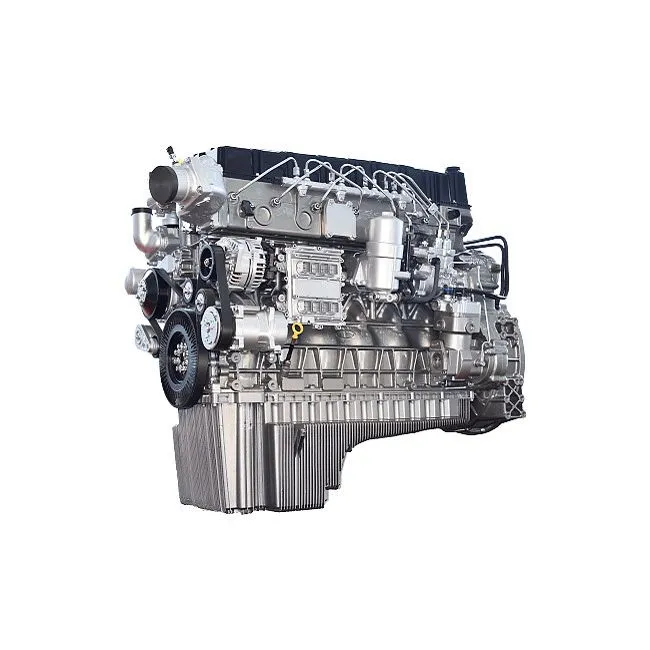
In conclusion, the firing order of a multi – cylinder bus gas engine is a key factor in the engine’s performance. It’s a carefully engineered sequence that ensures smooth operation, efficient power delivery, and reduced emissions. And as your trusted bus gas engine supplier, we’re committed to providing you with engines that are at the forefront of technology and performance. So, get in touch with us and let’s start a conversation about how we can power your buses into the future.
Cooling System References
- Heywood, J. B. (1988). Internal Combustion Engine Fundamentals. McGraw – Hill.
- Crolla, D. A. (2001). Vehicle Dynamics: Theory and Application. Society of Automotive Engineers.
Guangxi Yuchai International Trade Co., Ltd.
Guangxi Yuchai International Trade Co., Ltd. is one of the most professional bus gas engine manufacturers and suppliers in China, specialized in providing high quality customized service. We warmly welcome you to wholesale bulk bus gas engine for sale here from our factory. Contact us for quotation.
Address: 19th Floor, Yuchai Building, No.2, Yuchai Road, Yuzhou District, Yulin, Guangxi, China
E-mail: yuchaiglobal@yuchai.com
WebSite: https://www.yuchaiinternational.com/
