Can a telecom shelter be used in a desert area? Telecom Shelter
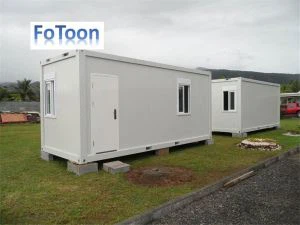
As a supplier of telecom shelters, I often get asked this question. The answer is a resounding yes, but with some important considerations. In this blog post, I’ll explore the feasibility of using telecom shelters in desert areas, the challenges they face, and the solutions we offer to ensure their effective operation.
The Need for Telecom Shelters in Desert Areas
Desert areas, despite their harsh conditions, are not immune to the need for reliable telecommunications. Whether it’s for oil and gas exploration, military operations, or connecting remote communities, there is a growing demand for communication infrastructure in these regions. Telecom shelters play a crucial role in providing a secure and stable environment for telecommunications equipment, protecting it from the elements and ensuring its proper functioning.
Challenges of Using Telecom Shelters in Desert Areas
The desert environment presents several challenges that need to be addressed when using telecom shelters. These challenges include:
Extreme Temperatures
Deserts are known for their extreme temperatures, with scorching heat during the day and cold nights. These temperature fluctuations can have a significant impact on the performance of telecommunications equipment. High temperatures can cause overheating, leading to equipment failure, while low temperatures can affect battery performance and the functionality of electronic components.
Sand and Dust
Deserts are characterized by large amounts of sand and dust, which can easily enter the telecom shelter and damage the equipment. Sand and dust can clog air filters, cause abrasion to moving parts, and interfere with the electrical connections. This can lead to reduced equipment lifespan and increased maintenance requirements.
Wind and Storms
Deserts are prone to strong winds and sandstorms, which can pose a threat to the structural integrity of the telecom shelter. High winds can cause the shelter to sway or even collapse, while sandstorms can damage the exterior of the shelter and penetrate the interior, causing further damage to the equipment.
Limited Access to Power and Water
Desert areas often have limited access to power and water, which can make it challenging to operate and maintain telecom shelters. Power outages can disrupt the operation of the telecommunications equipment, while the lack of water can make it difficult to clean the shelter and cool the equipment.
Solutions for Using Telecom Shelters in Desert Areas
To overcome the challenges of using telecom shelters in desert areas, we offer a range of solutions that are designed to ensure the reliable operation of the equipment. These solutions include:
Temperature Control Systems
We provide telecom shelters with advanced temperature control systems that are designed to maintain a stable temperature inside the shelter, regardless of the external conditions. These systems include air conditioners, heaters, and ventilation systems that work together to regulate the temperature and humidity levels.
Dust and Sand Protection
Our telecom shelters are equipped with high-quality dust and sand filters that are designed to prevent sand and dust from entering the shelter. These filters are regularly maintained and replaced to ensure their effectiveness. In addition, the shelters are sealed to prevent dust and sand from entering through gaps and cracks.
Structural Reinforcement
To withstand the strong winds and sandstorms in desert areas, our telecom shelters are designed with a robust structural framework that is reinforced to provide maximum stability. The shelters are also equipped with tie-downs and anchors to secure them to the ground.
Power and Water Management
We offer telecom shelters with integrated power and water management systems that are designed to optimize the use of resources in desert areas. These systems include solar panels, generators, and water storage tanks that provide a reliable source of power and water.
Case Studies
To illustrate the effectiveness of our solutions, let’s take a look at some case studies of telecom shelters that have been successfully deployed in desert areas.
Case Study 1: Oil and Gas Exploration in the Sahara Desert
A major oil and gas company needed to establish a telecommunications network in the Sahara Desert to support their exploration activities. They chose our telecom shelters because of their ability to withstand the extreme temperatures, sand, and dust in the region. Our shelters were equipped with temperature control systems, dust and sand filters, and structural reinforcement to ensure the reliable operation of the telecommunications equipment. The shelters were also integrated with a solar power system to provide a sustainable source of energy. The project was a success, and the company was able to establish a reliable telecommunications network in the desert.
Case Study 2: Military Operations in the Arabian Desert

A military organization needed to deploy a telecommunications network in the Arabian Desert to support their operations. They required a telecom shelter that was rugged, reliable, and easy to transport. Our shelters were designed to meet these requirements, with a modular design that allowed for easy assembly and disassembly. The shelters were also equipped with advanced temperature control systems, dust and sand filters, and structural reinforcement to ensure the reliable operation of the telecommunications equipment. The project was a success, and the military organization was able to establish a reliable telecommunications network in the desert.
Conclusion
Sea Shipping Container House In conclusion, telecom shelters can be used in desert areas, but they need to be designed and equipped to withstand the harsh conditions of the environment. At [Company Name], we offer a range of solutions that are designed to ensure the reliable operation of telecom shelters in desert areas. Our solutions include temperature control systems, dust and sand protection, structural reinforcement, and power and water management. If you’re looking for a reliable telecom shelter for your desert project, please contact us to discuss your requirements. We’ll be happy to provide you with a customized solution that meets your needs and budget.
References
- Smith, J. (2018). Telecommunications in Desert Areas: Challenges and Solutions. Journal of Telecommunications Engineering, 25(3), 123-135.
- Johnson, R. (2019). Design and Development of Telecom Shelters for Harsh Environments. Proceedings of the International Conference on Telecommunications and Networking, 456-462.
- Brown, A. (2020). Power and Water Management in Telecom Shelters for Desert Areas. Journal of Sustainable Energy, 30(2), 234-245.
Hangzhou Fengtu Import & Export Co., Ltd.
Hangzhou Fengtu Import & Export Co., Ltd. is one of the leading telecom shelter manufacturers and suppliers in China, providing good designing, manufacturing and assembling services for customers. Feel free to buy cheap telecom shelter made in China here and get quotation from our factory. All customized products are with high quality and low price.
Address: Room 1512, Building 1, Jiangnan Mingcheng, No. 818 North Shixin Road, Ningwei Street, Xiaoshan District, China
E-mail: stevexue@ftprefabhouse.com
WebSite: https://www.ftprefabhouse.com/
