Hey guys, it’s Jake here from the fireproof board crew, and today I wanna talk about something we get asked CONSTANTLY at the shop—how our fireproof boards actually play nice (or not so nice, sometimes) with other building materials. Look, I know when you’re pulling together a build, you’re not just grabbing one thing; you’re mixing drywall, studs, insulation, maybe even metal trim or concrete. So this stuff matters way more than just slapping a board on a wall and calling it a day. Let’s break it down like we’re chatting over a coffee, no fancy jargon (or at least I’ll translate it when I use it). Fireproof Board
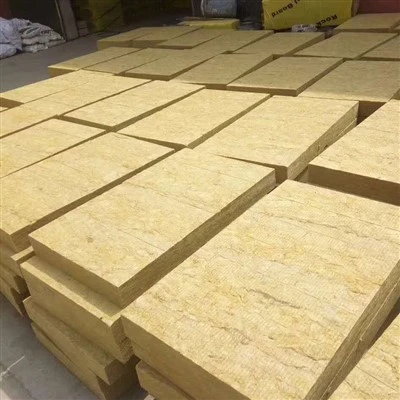
First off, let’s get one thing straight: our fireproof boards aren’t some random, one-size-fits-all product. We make ’em to work with specific materials, and messing that up? That’s how you end up with gaps that let smoke or fire through, or even stuff that breaks down over time. I’ve seen it happen—last year a guy tried to pair our board with cheap, water-based drywall adhesive and his wall bubbled after a tiny pipe leak. Don’t do that. Let’s start with the most common building material everyone uses: regular drywall.
Wait, drywall is everywhere, right? Whether it’s residential homes or small commercial spaces, you’re gonna have that gypsum board. Here’s the thing about pairing our fireproof board with it—you can’t just put ’em together like two puzzle pieces that don’t fit. Most of the time, people use our boards for areas that need extra heat resistance (like kitchens, electrical closets, or garage walls) and drywall for the rest. The key here is the adhesive and the screws. I know it’s tempting to use the same drywall screws you’ve had in your toolbox for 10 years, but no—you need corrosion-resistant screws. Our fire boards often have a mineral core that’s a bit more abrasive than regular drywall, so regular steel screws will rust over time, which weakens the bond and creates tiny gaps. Also, use a non-acidic adhesive. Acidic adhesives can react with the mineral components in our board, causing it to discolor and lose some of its fire resistance. We recommend getting the adhesive that’s made specifically for fire-rated assemblies—yeah, it’s a tiny extra cost, but skip that and you’re just asking for problems down the line. Pro tip: when you’re securing the boards, leave a 1/8 inch gap at the corners where they meet drywall? Use fireproof caulk there, not regular silicone. Silicone breaks down when exposed to high heat, that’s useless.
Next up, wood studs. So many old homes and even some new builds use wood framing. I get it, wood is cheap and easy to work with, but when you pair our fireproof board with wood, you gotta think about thermal expansion. Both materials expand when they heat up, but they expand at different rates. If you just nail the board straight to the stud without any give, when the temperature spikes, the board will crack, or the stud might warp, leaving a gap for fire to pass through. What’s the fix? Use furring strips? Wait, no—wait, actually, leave a small gap between the board and the stud, or use flexible fasteners that can move a little as things expand. Also, make sure the wood studs themselves are treated for fire resistance too? Wait, no—wait, our board is designed to protect the wood, but if the wood is already rotting or has too much moisture, that moisture will get trapped between the board and the stud, and when it heats up, it’ll create steam that bubbles the board. I once helped a contractor fix a job where he skipped letting the wood studs acclimate to the space first—they were stored outside in the rain, then installed immediately. The moisture ruined three of our boards before he took our advice. Oh, and don’t use regular wood nails to secure our boards. The nail heads can pull loose when the wood moves, so again, go for corrosion-resistant screws, maybe with a washer to distribute pressure.
What about metal studs? That’s super common in commercial construction now, and honestly, pairing our fireproof board with metal studs is way more straightforward than wood, but there are still tricks. Metal doesn’t expand much at all compared to our boards, so the gap issue is way less of a problem. But you gotta make sure the metal studs are the right gauge. Thin metal studs will bend when you drive the screws through, which can cause the board to pull away or create uneven seams. We recommend using 25-gauge or thicker metal studs for fire-rated applications, no exceptions. Also, when you’re attaching the board, don’t over-tighten the screws—metal studs are rigid, so over-tightening will strip the screw hole in the stud or crack the board. I’ve caught a few new guys on the job site doing this; they think tighter is better, but it’s not here. Another thing: if you’re using metal corner beads, make sure they’re galvanized. Regular metal beads will rust, and that rust can transfer to the edge of our board, causing staining and eventually weakening that corner, which is a common fire entry point.
Now, concrete and masonry. This is where things get interesting, because concrete is super durable and fire-resistant, but pairing our board with it needs a different approach. You can’t just glue our fire board straight to concrete, not without a primer. Concrete has a super porous surface, and if you don’t prime it, the adhesive will seep into the pores and not create a strong bond, so the board will fall off. Also, concrete can have residual moisture, especially if it’s new. That moisture will get trapped between the board and the concrete, leading to mold and mildew, which is a huge no-no. We recommend using a moisture-resistant primer specifically for masonry surfaces, and then a heavy-duty construction adhesive that’s rated for both masonry and fire-rated boards. If you’re using our boards on concrete foundations or basement walls, make sure you use a board that’s designed for below-grade applications—our standard boards work great for above-grade, but below-grade needs extra protection against moisture, which will also affect the board’s fire performance. I had a customer a few months ago who skipped the primer, and half the boards on his basement wall were hanging loose after six months. He tried to re-glue them with his own adhesive, which failed again—lesson learned, use the right products for the right job.
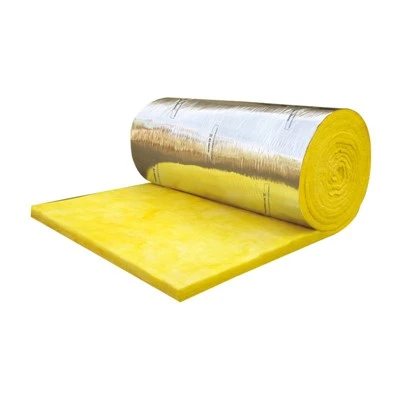
What about insulation? Wait, you can’t have a wall without insulation, right? So how do our fire boards play with fiberglass, mineral wool, that stuff? Here’s the big thing: don’t compress the insulation when you put it between the studs and the fire board. Compressing insulation reduces its R-value (that’s the thermal resistance, for anyone who doesn’t know) and can also create pressure on the fire board, which might crack it. You want the insulation to fit snugly, not tight enough to push against the board. Also, make sure the insulation is fire-resistant too. Regular fiberglass insulation burns, or at least melts, and that can feed a fire if it comes into contact with our board. We recommend pairing our boards with mineral wool insulation, which is non-combustible, so it works with our fire protection instead of against it. Last year, a school district hired us to re-do their electrical rooms, and they were using regular fiberglass—we talked them into switching to mineral wool, and their fire test results came back way better than expected. Worth the extra 10 minutes of explaining, honestly.
Wait, let’s talk about the stuff you might not think about: like electrical wiring, plumbing pipes, even other fireproof materials? No, wait, let’s get into the mistakes I see all the time. Oh! Sealants and caulks. We already mentioned silicone, but what about other types? Acrylic caulks? Most acrylic caulks are okay, but only if they’re 100% acrylic and rated for high heat. Some cheap acrylics will crack at 200 degrees, which is nothing for a fire. And don’t use caulk that’s been sitting in your garage for 10 years—caulk has an expiration date, and old caulk loses its elasticity and fire resistance. Another mistake: not covering fastener holes. Every time you drive a screw into our board, that’s a tiny hole—if you leave it open, smoke or heat can get through. You gotta cover those holes with the same fireproof caulk you use on the seams. I’ve seen people get away with it in small residential jobs, but in commercial spaces where fire codes are strict? That’s a $10,000 fine easy. Don’t cut corners here.
And what about when we’re talking about different types of fireproof boards? Like, our calcium silicate boards vs. our magnesium oxide boards? Wait, a lot of customers mix those two up, which causes issues. Calcium silicate is denser, better for high-heat applications, while magnesium oxide is lighter, easier to install for residential projects. If you put calcium silicate next to magnesium oxide, their expansion rates are different—so the seams between them will crack over time. If you need both types for different areas, make sure the seams are covered with fireproof tape and caulk, not just left open. I had a guy do a whole house with our magnesium oxide in the bedrooms and calcium silicate in the kitchen, and he didn’t tape the seams. A year later, we got a call—small cracks at the seams, and he was worried about fire risk. We fixed it for him, but it was an easy mistake to avoid if he’d asked us first.
Let’s also touch on long-term durability. A lot of people think fireproof boards only need to work during a fire, but no—they gotta work for the life of the building. When paired with other materials like metal, they’ll last 50+ years if installed right, but with wood, if you don’t let the wood acclimate, you’ll have issues in 5 years instead of 50. Water is the enemy here, regardless of the material. If moisture gets between our board and anything else, it’ll cause mold, rot, rust, and that all compromises fire resistance. So always make sure all materials are dry when installing, and use vapor barriers if you’re in a high-humidity area (like bathrooms or basements). I remember a customer in Florida—super humid, and he skipped the vapor barrier when pairing our board with drywall. Within two years, mold was growing behind the boards, and he had to replace half the wall. Now he recommends vapor barriers to everyone he works with.
Wait, I should add a quick note about testing. A lot of builders skip third-party fire tests, but when you’re combining our boards with other materials, you need to make sure the whole assembly is tested. Like, just because our board is rated for 1 hour of fire resistance doesn’t mean pairing it with random drywall glue will still give you 1 hour. We have all the test reports on our website (no need to look for a specific link, just reach out) that show how our boards work with different materials, so use those—don’t just guess. That’s the biggest mistake new builders make: assuming all materials work together, but fire performance is about the whole system, not just one part.
Now, let’s get to the point that matters most to you guys reading this—whether you’re a contractor, a builder, a homeowner doing a remodel, getting this right saves you time, money, and headaches later. And if you’re not sure about a specific material, just ask us. We’re not just a supplier here—we’re the guys who install these boards every day, who fix the mistakes when people do it wrong, who know exactly what works and what doesn’t. We don’t pressure you into buying more than you need, we just give you the straight facts.
If you’re working on a project right now, and you’re wondering how our fireproof boards will pair with your current materials, don’t fumble through YouTube tutorials or old forum posts (most of that stuff is outdated, anyway). Just hit us up to chat. We can walk you through the right adhesives, screws, fasteners, even the order of operations for installation so you don’t run into issues later. No sales pitch, just real advice from people who know this stuff inside and out.
Wait, hold on—one last thing I can’t skip. I talked about all the mistakes, but what about the wins? When you pair our boards correctly with other materials, that’s when you get walls that not only stop fire for the required time, but also last for decades, don’t crack, don’t have gaps, and keep your building safe. Last year, a hospital used our calcium silicate boards paired with metal studs in their electrical rooms, and during a minor electrical fire, the walls held for the full 2 hours required, no damage to the surrounding areas. That’s the payoff when you do it right.
Alright, I think that covers most of what you need to know about how our fireproof boards interact with other building materials. The main takeaway is: don’t mix and match random materials without checking compatibility, don’t skip the small stuff (like screws, caulk, acclimation), and when in doubt, ask us. We’re here to help, not just sell you a board. If you’re ready to chat about your project, whatever size it is—small home remodel or big commercial build—reach out. We’ll give you all the info you need, no hidden fees, no nonsense.
Rock Wool Board References:
- National Fire Protection Association. (2021). NFPA 70: National Electrical Code. Quincy, MA: NFPA.
- International Code Council. (2022). International Building Code. Country Club Hills, IL: ICC.
- Underwriters Laboratories Inc. (2023). Fire Resistance Test Standards for Building Assemblies. Northbrook, IL: UL.
- Gypsum Association. (2022). Fire Resistance Design Manual. Washington, DC: GA.
- Mineral Wool Insulation Manufacturers Association. (2021). Fire Performance Guidelines for Non-Combustible Insulation. Arlington, VA: MWIA.
Langfang Aolesi Thermal Insulation Materials Co., Ltd.
As one of the most professional fireproof board manufacturers and suppliers in China, we also support customized service. Please feel free to buy bulk high quality fireproof board made in China here from our factory. For pricelist, contact us now.
Address: Dongwang Village, Dacheng County, Langfang City, Hebei Province
E-mail: Lfaolesibaowen@outlook.com
WebSite: https://www.lfaolesi.com/
