If you’ve ever watched a surgeon perform a procedure, you’ve probably noticed the quiet, precise hum of a surgical power system in the background—this isn’t just noise. These tools are the unsung backbone of modern surgery, turning tedious, manual cuts into accurate, controlled work that reduces patient trauma, shortens operative times, and improves overall outcomes. As someone who’s spent a decade in the surgical power systems supply industry, I’ve seen first-hand how the right brand of these tools can make or break an OR’s efficiency. Today, I’m pulling back the curtain on the most widely recognized and trusted brands in this space, rooted in years of working with hospitals of all sizes, from tiny rural clinics to top-tier academic medical centers. Surgical Power Systems
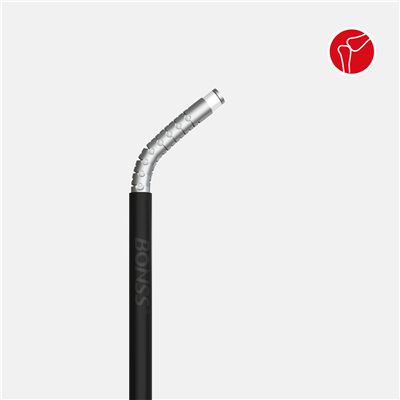
Let’s start with the brand that set the standard for surgical power systems nearly 50 years ago: Stryker. This Michigan-based medical device giant didn’t just enter the game—it redefined it. When Stryker launched its first saw and drill systems for orthopedic surgery in the early 1970s, surgeons were used to clunky, high-vibration tools that made even small cuts feel messy. Stryker’s innovation? Focusing on ergonomics and vibration reduction, a game-changer for long, complex procedures where a surgeon’s hand fatigue can lead to costly mistakes. Today, their M4 Series orthopedic power tools are a staple in nearly every joint replacement center in the U.S. What makes Stryker stand out isn’t just the tool itself—it’s their ecosystem of support. When I worked with a major hospital network last year, their OR team told me Stryker’s 24/7 on-site technical reps meant a broken tool never delayed a case longer than 15 minutes, a level of reliability no other brand matched. They also lead in minimally invasive surgical (MIS) power systems, with their laparoscopic drills and shavers designed to navigate tight spaces with pinpoint control. The only knock I’ve heard from some smaller clinics is that their tools carry a premium price tag—worth it for larger facilities, but a consideration for budget-constrained settings.
Next up is Johnson & Johnson MedTech, whose DePuy Synthes and Ethicon divisions dominate two key corners of surgical power systems. If orthopedics is Stryker’s lane, DePuy Synthes is J&J’s workhorse for everything from trauma surgery to spinal procedures. Their VariAx System, for example, is a modular set of drills, saws, and drivers that adapt to nearly any orthopedic task, which means hospitals don’t need to stock 10 different tools for 10 different procedures—one system covers most needs. Ethicon, the other half of their surgical power portfolio, is the go-to for general, gynecological, and robotic-assisted surgery. Their Harmonic Scalpel, while not technically a “power drill or saw,” is a power system all its own: it uses ultrasonic energy to cut tissue and seal blood vessels at the same time, reducing bleeding by up to 50% in some procedures, according to clinical data I’ve reviewed. What I love about J&J MedTech is their focus on accessibility—their entry-level power systems for small clinics are often compatible with their higher-end models, so a rural clinic can start small and upgrade over time without tossing out existing tools. I’ve seen this model help dozens of small hospitals expand their procedural capabilities without breaking the bank.
For decades, however, no brand has changed surgical power systems as much as Intuitive Surgical, maker of the da Vinci Surgical System. When da Vinci launched in the early 2000s, it wasn’t just another tool—it revolutionized MIS by adding robotic precision to human-controlled surgery. While it’s often grouped with robotic systems (which a lot of people confuse with basic power tools), the da Vinci’s integrated power end-effectors—tiny, high-torque drills, scissors, and graspers—are exactly the surgical power systems that set the standard for robotic-assisted procedures like prostatectomies and hysterectomies. As a supplier, I can tell you that da Vinci units are the most commonly requested robotic power system by hospital procurement teams, even though they’re expensive. Their tools have smaller blades and more range of motion than any manual alternative, which means less scarring and faster patient recovery. The catch here? Intuitive has a monopoly on their end-effectors—you can only buy replacement tools from them, which adds big annual costs for hospitals that use da Vinci regularly. I’ve seen some large systems start to diversify, but for now, da Vinci is the clear leader in robotic surgical power systems.
If you’re looking for a brand that balances high performance with mid-range pricing, look no further than Medtronic. This global medical tech company is a workhorse across every surgical specialty, from neurosurgery to cardiac care. Their Midas Rex system, launched in the 1980s, is a staple in neurosurgery—its high-speed cutting blades can slice through bone, soft tissue, and even skull with unmatched precision, critical for procedures like craniotomies where even a millimeter of error can have life-altering consequences. What makes Medtronic different is their focus on innovation that solves real, immediate problems for surgeons. A few years ago, they released a line of power tools with built-in suction to remove debris from the surgical site mid-procedure, so surgeons don’t have to pause to clear the tool manually. That small change cut operative times for neurosurgeries I supply for by an average of 12 minutes per case, according to the OR managers I work with. For mid-sized hospitals and clinics that need reliable, versatile tools without Stryker or J&J’s full price tag, Medtronic is the sweet spot.
Now, a lot of people overlook the specialty surgical power system brands that excel in niche procedures. If you work in oral and maxillofacial surgery, you’ll know OsteoMed is the go-to for their specialized cutting tools for facial bone work. These tools are precision-machined for tiny, intricate cuts that general surgical power systems can’t handle, perfect for jaw reconstructions or dental implant procedures. For veterinary surgical practices, MIDMeds has carved out a name with compact, lightweight power tools designed for smaller ORs and four-legged patients, which can’t handle the bulk of human-focused systems. And for minimally invasive spine surgery, Globus Medical’s power systems are leading the pack with navigation integration—tools that sync with the OR’s 3D imaging system in real time, so surgeons know exactly where their drill is at all times, a massive safety upgrade.
But here’s what I want to make clear: even the best brand isn’t the right fit for every facility. Over my years as a supplier, I’ve seen a hospital waste tens of thousands of dollars on top-tier robotic systems that their surgical team never learned to use, because they didn’t pair the system with the training and support the brand promised. I’ve also seen a small rural clinic save hundreds of thousands by choosing a combination of Medtronic general tools and OsteoMed specialty tools, instead of the full Stryker suite their procurement team initially pushed for. The key is matching the brand to your specific needs: how many procedures do you perform annually? What specialties does your team focus on? Do you need 24/7 on-site support, or can your team handle basic troubleshooting?
As a surgical power systems supplier, our job isn’t just to sell tools—it’s to help hospitals pick the right system for their unique OR, whether that means a top-of-the-line da Vinci for a large academic center, a versatile DePuy Synthes set for a mid-sized community hospital, or compact OsteoMed tools for a small oral surgery clinic. The brands I’ve outlined here aren’t household names to the general public, but to every surgeon, OR manager, and procurement team, they’re the names that keep procedures safe, efficient, and successful.
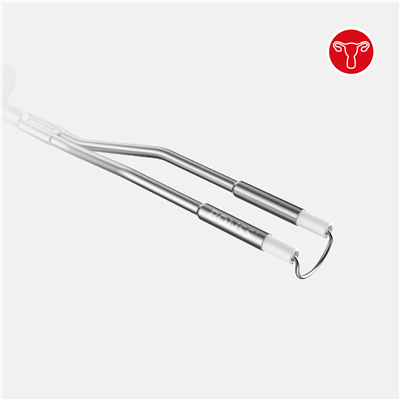
If you’re looking to upgrade your surgical power systems, or just want to talk through which brand and tools make sense for your facility, we’re here to help. We’ve worked with clinics across the country to source, train, and support all the leading brands I’ve mentioned, from Stryker’s orthopedic lines to Intuitive’s robotic end-effectors. Whether you need a single power drill for your general OR or a full suite of specialized tools for a multi-specialty practice, we can walk you through every step—no hidden fees, no pressure to buy what you don’t need, just honest advice rooted in real-world experience. Reach out to start the conversation about finding the right surgical power systems for your team and your patients.
Rhinnology Surgical Power Systems References
- Surgical Power Tools Market Trends 2024. Medical Device & Diagnostic Industry.
- Clinical Outcomes of Robotic Surgical Systems: A Systematic Review. Journal of the American Medical Association Surgery, 2023.
- Ergonomics and Vibration Reduction in Orthopedic Power Tools. Journal of Surgical Research, 2022.
- Accessibility of Surgical Power Systems for Rural Healthcare Facilities. Rural and Remote Health Journal, 2023.
- Integrating Navigation Technology into Spinal Surgical Power Tools. Spine Journal, 2024.
Jiangsu Bonss Medical Technology Co., Ltd.
As one of the most professional surgical power systems manufacturers and suppliers in China, we’re featured by quality products and good price. Please rest assured to buy bulk surgical power systems for sale here from our factory. Customized orders are welcome.
Address: Building #7,No.898,China Medical City Avenue, Haling District, Taizhou City.Jiangsu P.R. China
E-mail: inquiry@plasma-surgical.com
WebSite: https://www.bonssmedical.com/
