Can Rubber Magnets be Used in Magnetic Closures?
As a long – standing rubber magnet supplier, I’ve often encountered inquiries about the suitability of rubber magnets for various applications, and magnetic closures are a frequent topic. Today, I’ll delve into the feasibility, benefits, limitations, and considerations when using rubber magnets in magnetic closures. Rubber Magnet
Understanding Rubber Magnets
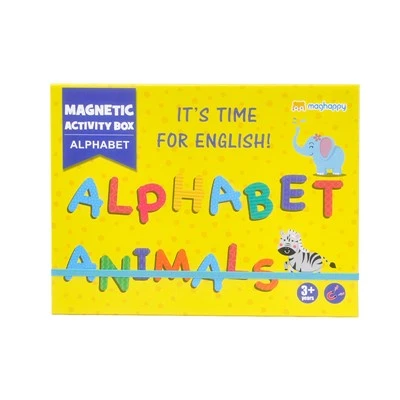
Before we assess their use in magnetic closures, it’s crucial to understand what rubber magnets are. Rubber magnets are composite materials made by mixing ferrite magnetic powder with rubber binders. This combination is then processed through a series of steps such as extrusion, calendaring, or injection molding. The result is a flexible, lightweight, and durable magnetic product.
The rubber binder gives these magnets their distinctive flexibility, allowing them to be bent, twisted, and shaped without losing their magnetic properties. They are available in a wide range of shapes, including sheets, strips, and custom – cut forms. Additionally, rubber magnets come in different magnetic strengths, which can be tailored to specific application requirements.
The Case for Using Rubber Magnets in Magnetic Closures
Flexibility and Customization
One of the most significant advantages of rubber magnets in magnetic closures is their flexibility. In many applications, closures need to conform to irregular shapes or be bent to fit a particular design. Rubber magnets can easily be molded to fit curved surfaces, making them an ideal choice for applications like wallets, cases, and jewelry boxes where the closure needs to follow the contours of the item.
For example, a high – end leather wallet might require a magnetic closure that curves along its edges. A rubber magnet can be custom – cut and shaped to achieve this, providing a seamless and aesthetically pleasing solution. The ability to customize the shape also allows for unique and innovative closure designs that can set a product apart in the market.
Cost – Effectiveness
Rubber magnets are generally more cost – effective compared to other types of magnets, such as neodymium magnets. This cost advantage makes them an attractive option, especially for mass – produced items where keeping production costs down is essential. For companies that manufacture a large number of consumer products, using rubber magnets in magnetic closures can lead to significant savings without sacrificing too much in terms of performance.
Safety
Safety is a crucial factor in the design of magnetic closures, especially for products that may be used around children or in healthcare settings. Rubber magnets are relatively less powerful than some rare – earth magnets, which reduces the risk of accidental pinching or injury. The rubber coating also provides a soft surface, minimizing the chances of scratching or damaging the items they come into contact with.
Ease of Installation
Installing rubber magnets in magnetic closures is a straightforward process. They can be easily cut to the desired size and shape using common tools like scissors or a utility knife. Adhesive backing can be added during the manufacturing process, allowing for a simple and quick installation. This ease of installation not only saves time during production but also reduces labor costs.
Limitations of Rubber Magnets in Magnetic Closures
Magnetic Strength
While rubber magnets offer many benefits, their magnetic strength is generally lower than that of some other magnet types. In applications where a strong, secure closure is required, such as heavy – duty industrial equipment or high – security storage containers, rubber magnets may not provide sufficient holding force. For example, a large metal cabinet door may need a more powerful magnet to keep it firmly closed, and a rubber magnet might not be up to the task.
Temperature Sensitivity
Rubber magnets are more sensitive to temperature changes compared to some other magnets. High temperatures can cause the rubber binder to degrade, which in turn can reduce the magnet’s magnetic properties. In applications where the closure will be exposed to extreme temperatures, such as in automotive engines or outdoor equipment in hot climates, the performance of rubber magnets may be compromised.
Durability in Harsh Environments
Although rubber magnets are relatively durable, they may not hold up well in extremely harsh environments. Exposure to chemicals, moisture, or abrasive materials can damage the rubber coating and affect the magnet’s performance. For example, in a marine environment where saltwater corrosion is a concern, rubber magnets may need additional protection to ensure their long – term functionality.
Considerations for Using Rubber Magnets in Magnetic Closures
Application Requirements
The first consideration when using rubber magnets in magnetic closures is to clearly define the application requirements. Determine the required holding force, the shape and size of the closure, and the environmental conditions the closure will be exposed to. For a small, lightweight jewelry box, a low – strength rubber magnet may be sufficient. However, for a heavy – duty toolbox, a stronger magnet or a combination of multiple rubber magnets may be needed.
Magnetic Strength Selection
Selecting the appropriate magnetic strength is crucial. This can be determined through testing and experimentation. Different grades of rubber magnets are available, each with a specific magnetic flux density. It’s important to choose a grade that provides enough holding force without being overly strong, as an overly strong magnet can make the closure difficult to open.
Environmental Protection
If the magnetic closure will be used in a harsh environment, it’s essential to provide adequate protection for the rubber magnet. This can include applying a protective coating, such as a waterproof or chemical – resistant layer. Additionally, proper sealing can prevent moisture and debris from getting inside the closure and damaging the magnet.
Design and Aesthetics
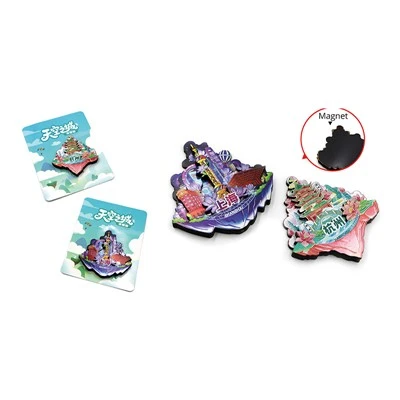
The design of the magnetic closure should not only be functional but also aesthetically pleasing. Rubber magnets can be customized in terms of color and surface finish to match the overall design of the product. For example, a white rubber magnet can be used in a modern – looking white – colored product to create a seamless and clean appearance.
Conclusion
In conclusion, rubber magnets can indeed be used in magnetic closures, offering a range of benefits such as flexibility, cost – effectiveness, safety, and ease of installation. However, they also have some limitations, including lower magnetic strength, temperature sensitivity, and reduced durability in harsh environments. By carefully considering the application requirements, selecting the appropriate magnetic strength, providing environmental protection, and focusing on design and aesthetics, rubber magnets can be an excellent choice for many magnetic closure applications.
Radiation Shielding Materials If you’re interested in exploring the use of rubber magnets in your magnetic closure products, I’d be delighted to discuss your specific needs. We have a wide range of rubber magnet options and can provide customized solutions to meet your requirements. Feel free to reach out and start a conversation about how we can work together to create the perfect magnetic closure for your products.
References
- Handbook of Magnetic Materials, edited by Klaus H. J. Buschow.
- Magnetism and Magnetic Materials by David Jiles.
- Journal of Applied Physics articles on magnetic materials and their applications.
Shenzhen Magplus Technology Co., Ltd.
As one of the most professional rubber magnet manufacturers and suppliers in China, we’re featured by quality products and good service. Please rest assured to wholesale customized rubber magnet made in China here from our factory. Also, free sample is available.
Address: Room 602, Rujun Building, No.105 Zhongxing Rd, Bantian Street, Shenzhen, China.
E-mail: Iris.huang@newlife.cn
WebSite: https://www.newlifemagplus.com/
