Hey there, folks! I’m a supplier of oil level indicators, and I’ve been in this game for quite a while. Over the years, I’ve seen a whole bunch of problems that customers run into with these little devices. So, I thought I’d share some of the common issues we often come across. Oil Level Indicator

Inaccurate Readings
One of the most frequent problems is inaccurate oil level readings. This can be a real pain in the neck because if you can’t trust what your oil level indicator is telling you, you’re in a bit of a pickle. There are a few reasons why this might happen.
First off, the indicator could be damaged. If it’s been bumped around or exposed to some rough conditions, the internal components might get out of whack. For example, the float inside the indicator, which is supposed to rise and fall with the oil level, could get stuck or bent. This means it won’t move properly, and the reading you get on the gauge or display will be way off.
Another reason for inaccurate readings could be fouling. Oil isn’t always the cleanest thing, and over time, gunk and debris can build up on the indicator. This can interfere with the normal operation of the device. The float might not be able to move freely through the oil because it’s coated with sticky stuff. And the sensors that are supposed to detect the position of the float can also get blocked, leading to wrong readings.
Contamination can also play a role here. If there are air bubbles or water in the oil, it can throw off the density of the fluid. Since the oil level indicator works based on the density and level of the oil, these contaminants can cause the float to behave differently than it should, resulting in inaccurate measurements.
Display Malfunctions
Sometimes, the problem isn’t with the actual reading of the oil level but with how it’s presented. Display malfunctions are a common headache for users.
The display might flicker on and off. This can be really annoying, especially if you’re trying to get a quick glance at the oil level. It could be due to a loose connection between the indicator and the display unit. Maybe the wires got jostled during installation or some maintenance work, and now they’re not making a proper electrical connection.
In some cases, the display might show a blank screen. This could be because of a power issue. Maybe the battery that powers the display has died, or there’s a problem with the power supply from the vehicle’s electrical system. Or, it could be a more serious problem with the display itself, like a blown fuse or a damaged circuit board.
On the other hand, the display might show incorrect information. It could show a full tank when the oil level is actually low, or vice versa. This could be a software glitch if it’s a digital display. Sometimes, the programming in the device can get corrupted, causing it to misinterpret the data from the sensor and show the wrong reading on the screen.
Leakage
Leakage is another big problem that can occur with oil level indicators. If the indicator is leaking, it’s not only a mess but can also lead to inaccurate readings and potential damage to other parts of the system.
The seal around the indicator can be the culprit. Over time, the seal can wear out or become damaged. This can happen due to normal use, exposure to heat, oil, and other chemicals in the environment. Once the seal is compromised, oil can seep out around the indicator.
Cracks in the indicator body can also cause leakage. If the indicator is made of a brittle material or has been subjected to excessive stress, it might develop cracks. These cracks provide a pathway for the oil to leak out, and it can be a real pain to fix because it often means replacing the entire indicator.
Installation Issues
A lot of problems can stem from improper installation. If the oil level indicator isn’t installed correctly, it’s not going to work right.
One common issue is incorrect positioning. The indicator needs to be placed at the right level in the oil tank. If it’s too high or too low, it won’t give an accurate reading of the oil level. For example, if it’s installed too high, it might show that the oil is full when there’s actually very little left in the tank.
Tightening problems are also frequent. If the indicator isn’t tightened properly, it can lead to leakage. But if it’s over – tightened, it can damage the threads or the body of the indicator. You need to find that sweet spot when tightening it to make sure it’s secure but not damaged.
And sometimes, the wiring can be a problem. If the wires aren’t connected correctly, the display might not work, or the readings might be inaccurate. It’s important to follow the installation instructions carefully and make sure all the connections are tight and in the right place.
Compatibility Problems
Not all oil level indicators are created equal, and compatibility can be a major issue.
The indicator might not be compatible with the type of oil being used. Different oils have different viscosities, densities, and chemical properties. If the indicator is designed for a specific type of oil and you use a different one, it might not work properly. For example, a thick oil might not allow the float to move freely, leading to inaccurate readings.
It might also not be compatible with the equipment it’s being installed in. Different vehicles and machinery have different oil tank designs, sizes, and operating conditions. If the indicator isn’t designed to fit and work with a particular piece of equipment, it might not function correctly. The mounting holes might not match, or the electrical connections might be different.
Maintenance Neglect
A lot of problems can be avoided with proper maintenance, but unfortunately, many people neglect this aspect.
The oil level indicator should be cleaned regularly. As I mentioned earlier, gunk and debris can build up on it, causing inaccurate readings. A simple cleaning with a mild solvent and a soft brush can go a long way in keeping the indicator in good working condition.
The seals should also be checked periodically. If you notice any signs of wear or damage, it’s important to replace them as soon as possible to prevent leakage.
And don’t forget about the batteries if it’s a battery – powered display. Make sure to replace them before they die completely to avoid any display malfunctions.
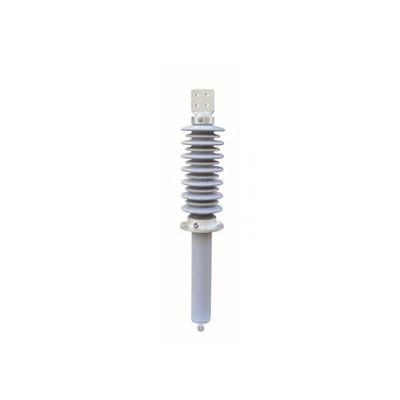
So, there you have it, some of the most common problems with oil level indicators. But don’t worry! As a supplier, I’ve got solutions for all these issues. Our oil level indicators are designed to be durable, accurate, and easy to install and maintain. We use high – quality materials and the latest technology to ensure that you get a reliable product.
Porcelain Bushing If you’re having any problems with your current oil level indicator or you’re looking for a new one, don’t hesitate to get in touch. I’d be more than happy to discuss your needs and find the perfect solution for you. Whether you’re in the automotive industry, marine, or any other field that requires oil level monitoring, we’ve got you covered. Let’s have a chat and see how we can work together to solve your oil level indicator problems!
References
- "Automotive Fluid Level Sensors: Technology and Market Trends" – Industry Research Report
- "Maintenance Guide for Hydraulic Systems" – Manufacturer’s Manual
- "Understanding Oil Properties and Their Impact on Measuring Devices" – Scientific Journal Article
Hebei Anmei Electrical Equipment Co., Ltd.
Hebei Anmei Electrical Equipment Co., Ltd. is one of the most professional oil level indicator manufacturers and suppliers in China, specialized in providing high quality products and service. Please feel free to buy customized oil level indicator made in China here from our factory. Contact us for quotation.
Address: Hejian Yingzhou Economic Development Zone, Cangzhou City, Hebei Province
E-mail: sales@anmeielec.com
WebSite: https://www.anmeibushing.com/
