Does Humidity Affect the Performance of a Sterilizer?
As a supplier of sterilizers, I’ve encountered numerous inquiries from customers regarding the impact of environmental factors on the performance of our products. One question that frequently arises is whether humidity affects the performance of a sterilizer. In this blog post, I’ll delve into this topic and provide insights based on scientific knowledge and practical experience in the sterilizer industry. Sterilizer

The Basics of Sterilization and Humidity
Before we explore the relationship between humidity and sterilizer performance, let’s briefly review the fundamentals of sterilization. Sterilization is the process of eliminating or destroying all forms of microbial life, including bacteria, viruses, fungi, and spores, on an object or surface. Different types of sterilizers use various methods to achieve this goal, such as heat, chemicals, radiation, or a combination of these techniques.
Humidity refers to the amount of water vapor present in the air. It is typically expressed as a percentage relative to the maximum amount of water vapor the air can hold at a given temperature. High humidity means the air contains a large amount of water vapor, while low humidity indicates a relatively dry environment.
Impact of Humidity on Different Types of Sterilizers
Steam Sterilizers
Steam sterilizers, also known as autoclaves, are one of the most commonly used types of sterilizers in healthcare facilities, laboratories, and other settings. They work by using high-pressure steam to kill microorganisms. Humidity plays a crucial role in the operation of steam sterilizers.
In a steam sterilizer, the presence of an appropriate level of humidity is essential for effective sterilization. Steam is a highly efficient medium for transferring heat, and it can penetrate porous materials and reach all areas of the items being sterilized. When the humidity is too low, the steam may not be able to condense properly on the surfaces of the items, which can lead to incomplete sterilization. On the other hand, if the humidity is too high, it can cause excessive condensation inside the sterilizer chamber, which may result in wet packs and damage to the sterilized items.
To ensure optimal performance, steam sterilizers are designed to maintain a specific level of humidity within the chamber. This is typically achieved through the use of a steam generator and a control system that regulates the temperature and pressure of the steam. Additionally, proper ventilation and drainage systems are necessary to prevent the buildup of excess moisture.
Chemical Sterilizers
Chemical sterilizers use chemical agents, such as ethylene oxide, hydrogen peroxide, or peracetic acid, to kill microorganisms. The performance of chemical sterilizers can also be affected by humidity.
In the case of ethylene oxide sterilizers, humidity is required to activate the chemical agent and enhance its sterilization effectiveness. Ethylene oxide is a gas that reacts with water vapor to form a more reactive compound, which can penetrate the cell walls of microorganisms and destroy them. Therefore, a certain level of humidity is necessary to ensure that the ethylene oxide can work effectively.
For hydrogen peroxide and peracetic acid sterilizers, high humidity can have a negative impact on their performance. These chemical agents are highly reactive and can be easily decomposed by water. If the humidity is too high, the chemical agents may break down before they have a chance to kill the microorganisms, resulting in incomplete sterilization.
UV Sterilizers
UV sterilizers use ultraviolet light to damage the DNA and RNA of microorganisms, preventing them from reproducing and causing infection. Unlike steam and chemical sterilizers, UV sterilizers do not rely on humidity to achieve sterilization. However, humidity can still have an indirect effect on their performance.
High humidity can cause the formation of water droplets on the surfaces of the items being sterilized, which can block the UV light and reduce its effectiveness. Additionally, humidity can also affect the lifespan of the UV lamps used in the sterilizers. Moisture can cause the lamps to corrode and degrade more quickly, leading to a decrease in their UV output over time.
Practical Considerations for Sterilizer Operation in Different Humidity Conditions
As a sterilizer supplier, I often provide customers with guidance on how to operate their sterilizers effectively in different humidity conditions. Here are some practical tips based on my experience:
- Monitor and Control Humidity: In areas with high humidity, it is important to use a dehumidifier to reduce the moisture level in the air. Conversely, in low-humidity environments, a humidifier may be necessary to maintain the appropriate level of humidity for the sterilizer to function properly.
- Follow Manufacturer’s Instructions: Each sterilizer model has specific requirements for humidity and other operating parameters. It is crucial to follow the manufacturer’s instructions carefully to ensure optimal performance and safety.
- Perform Regular Maintenance: Regular maintenance of the sterilizer is essential to keep it in good working condition. This includes cleaning the chamber, checking the seals and gaskets, and replacing any worn or damaged parts. In addition, the humidity sensors and control systems should be calibrated periodically to ensure accurate readings and proper operation.
- Test the Sterilization Process: To ensure that the sterilizer is functioning effectively, it is recommended to perform regular biological and chemical indicator tests. These tests can help detect any potential issues with the sterilization process and ensure that the items being sterilized are truly sterile.
Conclusion
In conclusion, humidity can have a significant impact on the performance of a sterilizer, depending on the type of sterilizer and the specific operating conditions. For steam sterilizers, an appropriate level of humidity is necessary for effective heat transfer and condensation. Chemical sterilizers may require a certain level of humidity to activate the chemical agents, but high humidity can also cause them to break down. UV sterilizers are not directly affected by humidity, but high humidity can reduce their effectiveness by blocking the UV light and damaging the lamps.
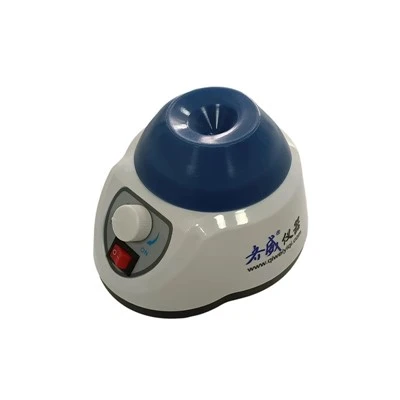
Homogenizer As a sterilizer supplier, I understand the importance of providing customers with high-quality products and accurate information. By understanding the relationship between humidity and sterilizer performance, customers can take appropriate measures to ensure that their sterilizers are operating effectively and safely. If you have any questions or need further information about sterilizers and their performance in different humidity conditions, please feel free to contact us. We are always ready to assist you with your sterilization needs.
References
- Block, S. S. (Ed.). (2001). Disinfection, sterilization, and preservation. Lippincott Williams & Wilkins.
- Rutala, W. A., & Weber, D. J. (2004). Guideline for disinfection and sterilization in healthcare facilities, 2008. American Journal of Infection Control, 36(Suppl 1), S1 – S64.
- Spaulding, E. H. (1968). Chemical disinfection and antisepsis in the hospital. Hospital Practitioner, 3(8), 55 – 61.
Hangzhou Qiwei Instrument Co., Ltd.
Hangzhou Qiwei Instrument Co., Ltd. is one of the most reliable manufacturers and suppliers of sterilizer in China, featured by quality products and good service. Please rest assured to buy bulk durable sterilizer in stock here from our factory. We also accept customized orders.
Address: Room 101, Building 25, No. 488-1, Donghu North Road, Linping District, Hangzhou City, Zhejiang Province, China
E-mail: info@qiweilab.com
WebSite: https://www.qiweilab.com/
