Transporting a walk-behind roller is a crucial aspect of ensuring its safe and timely delivery to your customers. As a walk-behind roller supplier, I understand the complexities and challenges involved in this process. In this blog post, I will share some valuable insights and practical tips on how to transport a walk-behind roller effectively. Walk-behind Roller
Preparing the Walk – behind Roller for Transport
Inspection
Before transporting the walk-behind roller, a comprehensive inspection is essential. Check for any loose parts, damaged components, or signs of wear and tear. Tighten all bolts and nuts to prevent them from coming loose during transit. Inspect the tires for proper inflation and any visible damage. If the roller has a fuel tank, ensure it is either empty or has a minimal amount of fuel to reduce the risk of spills.
Cleaning
A clean roller is not only more presentable but also easier to handle and transport. Remove any dirt, debris, or mud from the roller’s surface, especially from the moving parts. This helps prevent corrosion and ensures the smooth operation of the machine after transportation. Use a pressure washer or a hose and a brush to clean the roller thoroughly.
Disassembly (if necessary)
In some cases, disassembling certain parts of the walk-behind roller can make it easier to transport. For example, if the roller has a detachable handle, remove it carefully and secure it separately. Make sure to label all parts and keep the hardware in a safe container to avoid losing anything. However, be cautious not to over – disassemble the roller, as this may cause damage during reassembly.
Choosing the Right Transport Vehicle
Size and Capacity
The size and capacity of the transport vehicle are crucial factors to consider. The vehicle should be large enough to accommodate the walk-behind roller comfortably without any overcrowding. Measure the dimensions of the roller carefully, including its length, width, and height, and choose a vehicle that can provide sufficient space. A flatbed truck or a trailer is often a good choice for transporting walk – behind rollers, as they offer an open and stable platform.
Weight Limit
Check the weight limit of the transport vehicle. Walk-behind rollers can vary significantly in weight, depending on their size and features. Ensure that the vehicle can safely carry the weight of the roller. Overloading the vehicle can not only damage the vehicle itself but also pose a serious safety risk on the road.
Safety Features
Look for a transport vehicle with adequate safety features. This includes proper tie – down points, sturdy side rails, and a reliable braking system. Tie – down points are essential for securing the roller firmly to the vehicle, preventing it from shifting during transit. Side rails can provide an additional layer of protection, reducing the risk of the roller falling off the vehicle.
Securing the Walk – behind Roller on the Transport Vehicle
Using Straps
High – quality straps are the most commonly used method for securing a walk – behind roller on a transport vehicle. Choose straps with a sufficient weight – rating to hold the roller securely. Place the straps across the roller at multiple points, including the frame and the axles. Make sure the straps are tight and do not leave any slack. Also, cross the straps in an X – pattern for added stability.
Blocking and Bracing
In addition to using straps, blocking and bracing can help prevent the roller from moving. Use wooden blocks or wedges to block the wheels of the roller, preventing it from rolling forward or backward. Place braces on the sides of the roller to prevent it from shifting from side to side. Ensure that the blocks and braces are properly positioned and secured.
Protection
To prevent scratches and damage to the roller during transportation, consider using protective materials such as blankets or padding. Wrap the roller with a thick blanket or place padding between the roller and the vehicle’s surface. This can also help reduce the impact of vibrations and shocks during transit.
Loading and Unloading the Walk – behind Roller
Loading
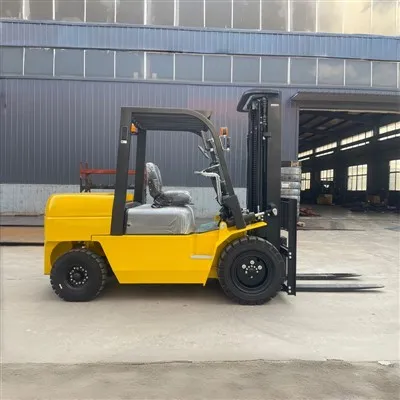
When loading the walk – behind roller onto the transport vehicle, use a ramp if possible. Make sure the ramp is sturdy and properly secured. Slowly drive or push the roller up the ramp, keeping it balanced at all times. If the roller is too heavy to move manually, consider using a forklift or a winch. Ensure that all loading equipment is in good working condition and that the operator is trained and experienced.
Unloading
Unloading the walk – behind roller follows similar principles as loading. Use a ramp to safely lower the roller from the vehicle. Take your time and be cautious not to tip the roller over. Once the roller is off the vehicle, check it again for any signs of damage or loosened parts before moving it to its final destination.
Transporting the Walk – behind Roller
Route Planning
Plan your transportation route carefully. Avoid roads with rough terrain, sharp turns, or low – clearance bridges. Check for any road closures or construction work that may affect your journey. Use a GPS or a mapping service to find the safest and most efficient route.
Driving Conditions
Be aware of the driving conditions during transportation. If it is raining or snowing, drive more slowly and carefully to avoid skidding. High winds can also pose a challenge, especially when transporting a large or lightweight roller. Adjust your driving speed and style according to the weather conditions.
Regular Checks
Make regular stops during the transportation to check the security of the roller. Ensure that the straps are still tight and that the roller has not shifted. Check the vehicle’s tires, brakes, and other components to ensure they are in good working condition.
Insurance and Documentation
Insurance
It is highly recommended to have insurance coverage for the transportation of the walk – behind roller. This can protect you from financial losses in case of an accident, theft, or damage during transit. Contact your insurance provider to discuss the appropriate coverage options.
Documentation
Keep all the necessary documentation related to the transportation, including the bill of lading, shipping labels, and any permits or licenses required. This documentation can serve as proof of ownership and the condition of the roller at the time of shipping.
Conclusion
Transporting a walk – behind roller safely and efficiently requires careful planning, proper preparation, and the right equipment. By following the tips outlined in this blog post, you can minimize the risk of damage and ensure that your walk – behind roller arrives at its destination in perfect condition.
Forklift If you are interested in purchasing our high – quality walk – behind rollers or have any questions about the transportation process, please feel free to contact us. We are committed to providing excellent products and top – notch customer service. Let’s start a productive discussion about your requirements and how we can meet them.
References
- "Equipment Transport Safety Guide" – Industry Safety Council
- "Manual Handling of Heavy Machinery" – Occupational Health and Safety Institute
- "Best Practices for Shipping Construction Equipment" – Construction Equipment Magazine
Jining Sunsail Machinery Co., Ltd.
With abundant experience, we are one of the most professional walk-behind roller manufacturers and suppliers in China. We warmly welcome you to buy high-grade walk-behind roller made in China here from our factory. For price consultation, contact us.
Address: Room 410, Digital Industry Building, Rencheng District, Jining City, Shandong Province,China
E-mail: Sunsail_machinery@163.com
WebSite: https://www.sunsailmachine.com/
